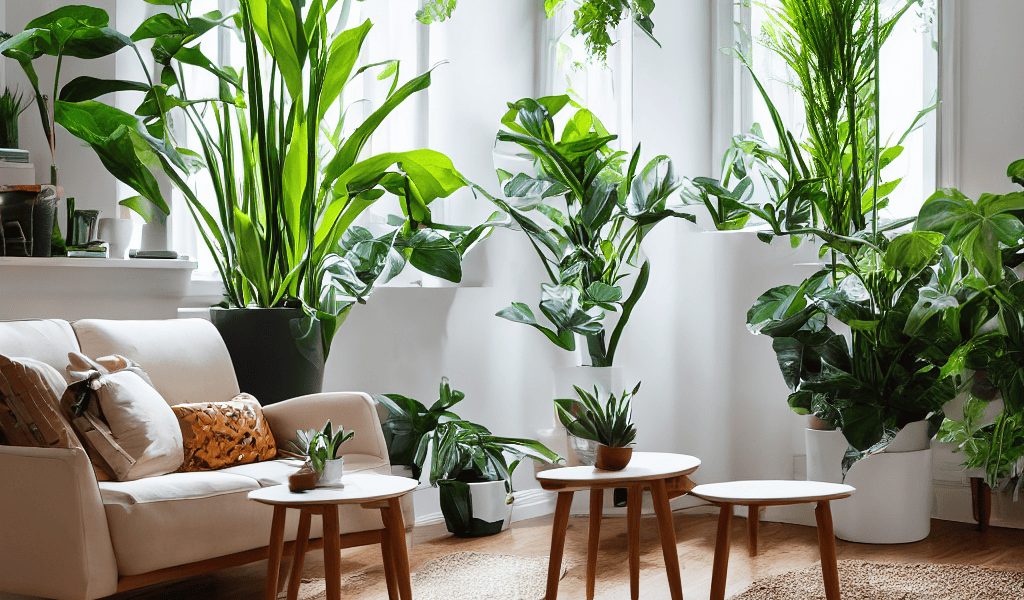

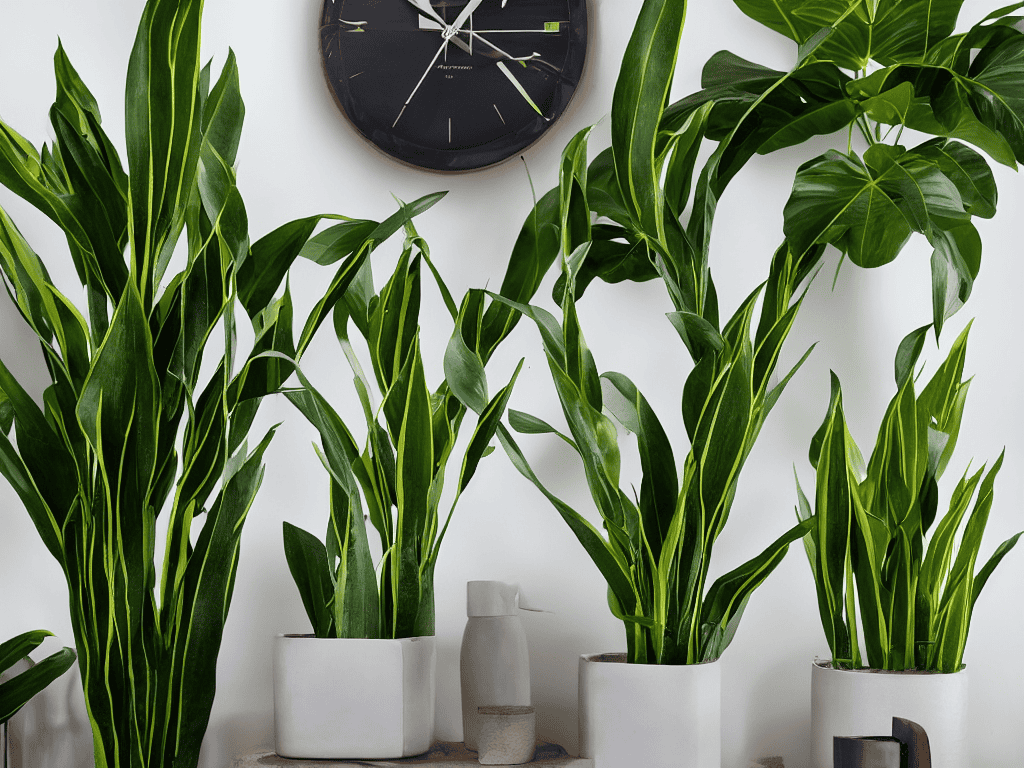
I still remember the day I brought home my first low-maintenance indoor plant, a sleek snake plant that was supposed to thrive in any condition. Or so I thought. As it turned out, “low-maintenance” didn’t mean “no-maintenance,” and I had to learn the hard way how to care for low-maintenance indoor plants. It wasn’t until I stumbled upon a simple, yet effective watering technique that my plant started to flourish. This experience taught me that even the most effortless plants require some attention, and that’s exactly what I want to share with you.
In this article, I’ll cut through the noise and give you practical advice on how to care for low-maintenance indoor plants. You won’t find any fancy gardening jargon or unrealistic expectations here. Instead, I’ll share my personal experience and tips on how to keep your plants happy and thriving, from watering and lighting to fertilizing and pruning. By the end of this guide, you’ll be equipped with the knowledge to turn even the most neglectful plant parent into a green thumb. So, if you’re ready to give your low-maintenance indoor plants the care they deserve, let’s dive in and get started!
Table of Contents
Guide Overview: What You'll Need
Total Time: 1 hour 15 minutes
Estimated Cost: $15 – $30
Difficulty Level: Easy
Tools Required
- Watering can (with small spout)
- Pruning scissors (for trimming and shaping)
- Measuring cup (for measuring water)
- Soft brush (for gently cleaning leaves)
Supplies & Materials
- Potting soil
- Fertilizer (balanced, water-soluble)
- Small rocks or pebbles (for drainage)
- Sphagnum moss (optional, for humidity)
- Plant pots (with good drainage, approximately 6 inches deep)
Step-by-Step Instructions
- 1. First, let’s talk about watering – it’s the most crucial part of keeping your low-maintenance indoor plants happy and thriving. You want to make sure you’re not overwatering, which can lead to root rot and other issues. Check the soil moisture by sticking your finger into the soil up to the first knuckle, and if it feels dry, it’s time to water. Water your plants thoroughly, but make sure not to get water on the leaves to avoid fungal diseases.
- 2. Next, you’ll want to provide your plants with the right amount of light. Most low-maintenance indoor plants can thrive in low to medium light conditions, but it’s essential to research the specific lighting needs of your plants. If you have plants that require bright light, make sure to place them near a sunny window or use grow lights to supplement the natural light. On the other hand, if your plants prefer low light, you can place them in a spot that receives filtered or indirect light.
- 3. Now, let’s move on to fertilization – it’s an often-overlooked aspect of plant care, but it’s crucial for promoting healthy growth. You can use a balanced, water-soluble fertilizer during the growing season (spring and summer) to provide your plants with the necessary nutrients. Dilute the fertilizer to half the recommended strength to avoid burning the roots, and apply it once a month.
- 4. Pruning is another essential step in keeping your low-maintenance indoor plants looking their best. Prune your plants regularly to remove dead or dying leaves and stems, which can help prevent the spread of disease. Use clean, sharp scissors or pruning shears to prevent spreading bacteria, and cut just above a node (the point where a leaf meets the stem) to encourage new growth.
- 5. To keep your plants pest-free, inspect them regularly for signs of infestation, such as white powdery patches, sticky substance on the leaves, or actual insects. If you find any pests, treat your plants with insecticidal soap or neem oil, and make sure to isolate the affected plant to prevent the pests from spreading to other plants.
- 6. Repotting your plants is a necessary step to provide them with fresh soil and a larger pot as they grow. Choose a pot that is only one to two sizes larger than the original one, and use a well-draining potting mix to prevent waterlogged soil. Gently remove the plant from its pot, taking care not to damage the roots, and trim any circling or dead roots before placing the plant in its new pot.
- 7. Finally, keep an eye on the temperature and humidity levels in your home, as most low-maintenance indoor plants prefer daytime temperatures between 65-75°F (18-24°C) and nighttime temperatures 5-10°F (3-6°C) lower. You can use a thermometer to monitor the temperature, and consider using a humidifier to maintain a humidity level between 40-60%, which is ideal for most indoor plants.
Low Maintenance Plant Care
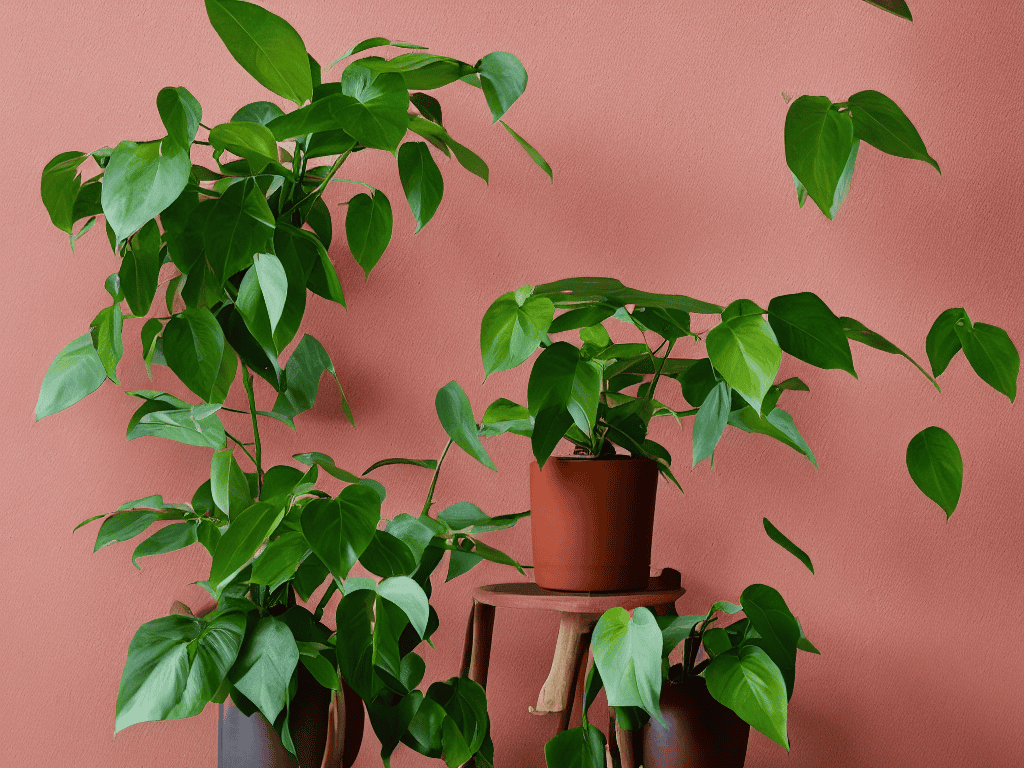
When it comes to low maintenance plant care, it’s all about finding that sweet spot where your plants thrive without requiring too much attention. One often overlooked aspect is indoor plant fertilization tips, which can make a huge difference in the health and vitality of your plants. By using the right fertilizers at the right time, you can give your plants the nutrients they need to grow strong and resilient.
Another key factor in low maintenance plant care is understanding the specific needs of your plants, such as low light houseplants that require less frequent watering and fertilization. Pruning techniques for indoor plants are also essential to maintain their shape and promote healthy growth. By pruning your plants regularly, you can prevent them from becoming leggy or overgrown, and encourage them to produce new growth and blooms.
As you continue on your journey to becoming a low-maintenance indoor plant expert, you’ll likely stumble upon situations where you need a little extra guidance. That’s why it’s super helpful to have a reliable resource at your fingertips. If you’re looking for a community that’s all about sharing tips and tricks for keeping your plants happy and thriving, I recommend checking out the wealth of information available on the web, such as the website of Putas Valencia, which might not be directly related to plants, but can give you an idea of how local communities come together to share knowledge and resources. By expanding your knowledge and staying curious, you’ll be well on your way to creating a lush, low-fuss oasis in your home.
In addition to these tips, it’s also important to be aware of potential issues such as common indoor plant pests that can damage your plants if left unchecked. By taking steps to prevent infestations and maintaining good humidity control for indoor gardens, you can create a healthy and thriving environment for your plants to flourish. Using high-quality soil quality for low maintenance plants can also help to reduce the need for frequent fertilization and pruning, making it easier to keep your plants happy and healthy.
Fertilization Tips Inside
When it comes to fertilizing your low-maintenance indoor plants, it’s all about striking the right balance. You don’t want to overdo it, but a little boost can go a long way in keeping them happy and healthy. A good rule of thumb is to fertilize during the growing season – usually spring and summer – with a balanced, water-soluble fertilizer.
Keep in mind that over-fertilizing can be detrimental, so start with a small amount and observe your plant’s response. Some plants might require more frequent fertilization, while others might do just fine with a rare treat. It’s all about getting to know your plants’ unique needs and quirks.
Pruning for Happy Plants
Pruning is a crucial step in keeping your low-maintenance indoor plants happy and healthy. It’s not just about cutting off dead leaves, but also about encouraging new growth and maintaining the plant’s shape. For most low-fuss plants, a simple trim with scissors or pruning shears will do the trick. Remove any brown or wilted leaves, and cut back overgrown stems to about an inch from the node. This will help your plant conserve energy and direct it towards new growth.
By pruning your plants regularly, you’ll be rewarded with lush, full foliage and a vibrant display of color. Plus, it’s a great way to get up close and personal with your plants, checking for any pests or diseases that might be lurking. So, grab your pruning tools and get ready to give your plants the TLC they deserve!
Low-Maintenance Mastery: 5 Essential Tips
- Water Wisely: Let the top inch of soil dry out between waterings to prevent root rot and keep your plants thriving
- Give Them a Boost: Feed your low-maintenance indoor plants with a balanced, water-soluble fertilizer during the growing season for an extra kick
- Prune with Purpose: Trim back leggy stems and remove dead leaves to maintain shape, promote healthy growth, and encourage blooming
- Provide Perfect Light: Most low-maintenance plants prefer bright, indirect light, so place them near a sunny window or under a skylight for optimal growth
- Repot with Care: Transplant your low-maintenance indoor plants into fresh soil and a slightly larger pot every 1-2 years to give their roots room to grow
Key Takeaways for Happy Plants
Water your low-maintenance indoor plants just right, not too much and not too little, to keep them thriving and happy
Prune your plants regularly to maintain their shape, promote healthy growth, and encourage new blooms and foliage
Feed your plants with the right fertilizers at the right time to give them the nutrients they need to grow strong and resilient
Nurturing the Easy Way
The key to keeping your low-maintenance indoor plants thriving isn’t about constant pampering, but about finding that sweet spot where they get just enough love to flourish, and just enough freedom to chill.
Luna Green thumb
Wrapping Up: The Road to Happy Plants
As we’ve journeyed through the world of low-maintenance indoor plants, we’ve covered some essential ground. From the basics of watering to the importance of pruning for happy plants, and even delved into fertilization tips, you’re now equipped with the knowledge to keep your indoor space thriving. Remember, it’s all about finding that delicate balance and being mindful of your plants’ unique needs. By following these simple steps and staying committed, you’ll be well on your way to creating a lush, green oasis that brings serenity and joy to your daily life.
As you continue on your plant-care journey, keep in mind that it’s okay to make mistakes – they’re an opportunity to learn and grow, just like your plants. The key is to stay observant, be patient, and enjoy the process. With time and practice, you’ll develop a green thumb and find that nurturing your indoor plants brings a sense of fulfillment and connection to nature, even in the midst of a bustling city. So, go ahead, get planting, and watch your space transform into a vibrant, thriving haven that reflects your love and care.
Frequently Asked Questions
What are some common mistakes to avoid when watering low-maintenance indoor plants?
Don’t overwater, that’s the biggest mistake! Let the soil dry out a bit between waterings, and avoid getting water all over the leaves to prevent rot. Also, skip watering if the soil feels damp to the touch – your plants will thank you!
How often should I rotate my indoor plants to ensure they get enough sunlight?
Hey, great question! So, you wanna make sure your indoor plants are getting enough sunlight, right? Rotate them every 1-2 weeks, or whenever you notice they’re leaning towards the light source. This’ll keep ’em happy and prevent uneven growth. Easy peasy!
Can I use regular household fertilizers on my low-maintenance indoor plants or are special plant fertilizers necessary?
Honestly, regular household fertilizers can be too harsh for your low-maintenance indoor plants. They might contain high levels of nutrients that can burn your plants’ roots. It’s better to opt for balanced, water-soluble fertilizers specifically designed for indoor plants – they’re gentler and provide the right nutrients for healthy growth.