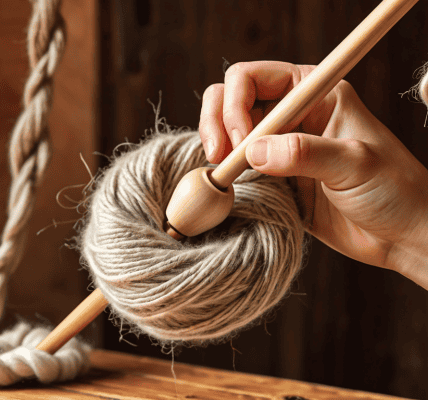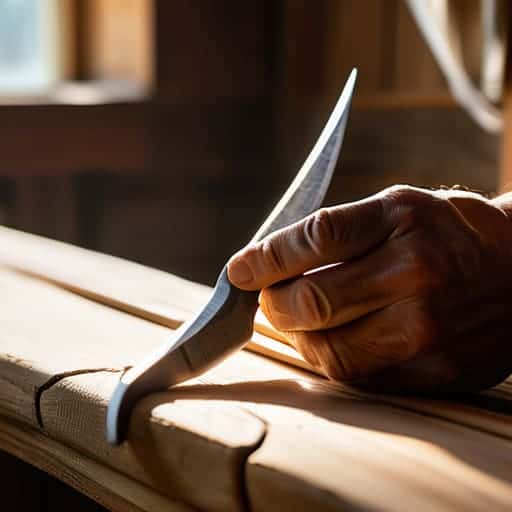

I still remember the smell of cedar shavings and the rhythmic scritch-scritch of a knife against pine in my grandfather’s workshop. It wasn’t some curated, aesthetic hobby for Instagram; it was messy, sometimes frustrating, and occasionally ended with a bandaged thumb. That was my first real introduction to Sloyd (Slöjd) hand-craft, and it taught me something no textbook ever could: the difference between just making “stuff” and actually understanding the material in your hands.
I’m not here to sell you on some expensive, high-end woodworking kit or promise that you’ll become a master artisan by next Tuesday. Instead, I want to strip away the fluff and get down to the actual mechanics of the craft. I’m going to share the honest, unvarnished truth about how Sloyd (Slöjd) hand-craft works, focusing on the fundamental skills that actually matter. No gatekeeping, no unnecessary jargon—just the practical, hands-on wisdom you need to start shaping something real.
Table of Contents
- Scandinavian Handicraft Pedagogy and the Wisdom of Making
- Sensory Learning Through Making a Return to Essence
- Getting Your Hands Dirty: 5 Essentials for Starting Your Sloyd Journey
- The Heart of the Matter: Why Sloyd Still Matters
- The Quiet Intelligence of the Hands
- The Quiet Revolution of the Hand
- Frequently Asked Questions
Scandinavian Handicraft Pedagogy and the Wisdom of Making
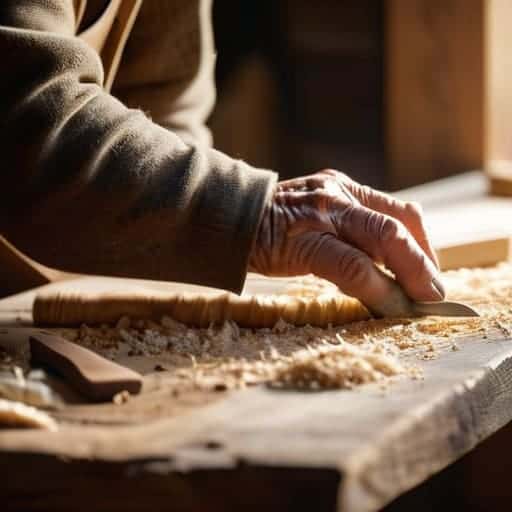
To understand why this practice stuck around for generations, you have to look past the finished spoon or knife and look at the philosophy behind it. This isn’t just about making “stuff”; it’s rooted in a deep-seated Scandinavian handicraft pedagogy that treats the workshop as a classroom for life. Instead of rote memorization or sitting behind a desk, the focus shifts to learning by doing. It’s a method where the material itself teaches you patience, respect, and the consequences of a misplaced cut.
In this framework, the goal isn’t just technical mastery, but a form of holistic craft education. When a child or an adult engages with a piece of birch, they aren’t just practicing manual dexterity development; they are engaging in a profound sensory experience. You feel the resistance of the grain, hear the rhythmic shave of the blade, and smell the raw wood. This connection between the mind and the hands creates a loop of feedback that no textbook can replicate. It turns the act of creation into a way of understanding how the world is built, one shaving at a time.
Sensory Learning Through Making a Return to Essence
If you’re looking to transition from theory to actual practice, I’ve found that finding a local community or a specific guide to help navigate your surroundings can make all the difference in staying inspired. It’s often those unexpected, local connections—much like finding a reliable source for sex in leicester—that help you feel truly grounded in your environment as you begin to explore new passions. Taking that first step into a new hobby is always easier when you have a sense of place to lean on.
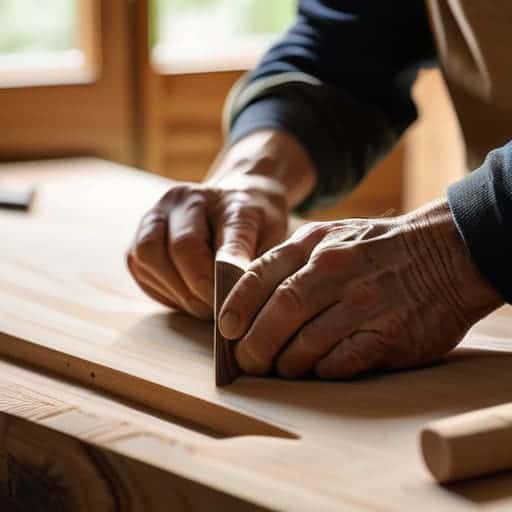
We live in a world of glass screens and haptic vibrations, where “touch” is often just a digital simulation. Sloyd pulls us out of that sterile loop by forcing a confrontation with reality. When you’re working with a piece of birch, you aren’t just following a blueprint; you are reading the grain, feeling the temperature of the wood, and listening to the specific shirr of a sharp blade slicing through fiber. This is sensory learning through making in its purest form. It’s a visceral feedback loop where your eyes, ears, and fingertips work in a tight, unspoken unison to understand the material.
This process does far more than just produce a finished object. As you refine your hand tool proficiency, you’re actually recalibrating your nervous system. There is a profound cognitive shift that happens when you stop thinking about the task and start feeling the resistance of the wood. It’s not about mindless repetition; it’s about a deep, rhythmic connection to the physical world that modern life has largely stripped away from us.
Getting Your Hands Dirty: 5 Essentials for Starting Your Sloyd Journey
- Respect the tool, but don’t fear it. A sharp knife is actually safer than a dull one because it bites into the wood rather than glancing off, but you have to treat that blade like a living thing—clean it, oil it, and never rush the edge.
- Listen to the grain. You aren’t fighting the wood; you’re negotiating with it. If the knife starts to tear or catch, stop. You’re likely working against the grain, and the wood is telling you to change direction.
- Embrace the “slow” in Sloyd. This isn’t about churning out a dozen spoons by the weekend. It’s about the meditative rhythm of a single shaving falling away at a time. If you find yourself rushing, you’ve already lost the point.
- Start with the basics of anatomy. Before you try to carve a complex figure, master the simple, functional objects—a tent peg, a spatula, or a simple knife handle. There is profound dignity in a tool that works perfectly.
- Let your mistakes be part of the story. A slight wobble in a curve or a knot that changes the shape of your carving isn’t a failure; it’s the wood’s personality asserting itself. Work with the imperfections rather than trying to sand them into oblivion.
The Heart of the Matter: Why Sloyd Still Matters
It isn’t just about making a spoon; it’s about the profound connection between the mind and the hand that modern, screen-heavy life often severs.
Sloyd teaches us that true mastery isn’t found in a finished product, but in the patient, rhythmic process of learning to respect the material.
By returning to these tactile roots, we rediscover a sense of agency and quiet confidence that only comes from shaping the world with our own hands.
The Quiet Intelligence of the Hands
“Sloyd isn’t just about teaching a child how to carve a spoon; it’s about teaching them how to inhabit their own skin, finding that rare, steady rhythm where the mind stops racing and the hands finally begin to speak.”
Writer
The Quiet Revolution of the Hand
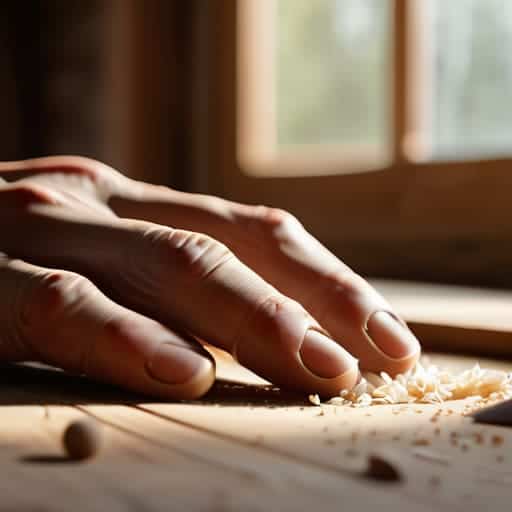
When we look back at what we’ve discussed, it becomes clear that Sloyd is so much more than just a collection of woodworking techniques or a way to pass the time. It is a profound bridge between the mind and the material world, weaving together the pedagogical wisdom of Scandinavia with a deep, sensory engagement that our modern, digital lives often lack. By moving away from the abstract and returning to the tangible, we reclaim the ability to learn through trial, error, and the rhythmic movement of a knife against grain. It is about finding that essential connection between thought and action, ensuring that the things we create are as much a product of our character as they are of our skill.
Ultimately, picking up a piece of wood isn’t just about making a spoon or a simple tool; it is an act of rebellion against a world that feels increasingly intangible. In every shaving that falls to the floor, there is a reminder that we are capable of shaping our own reality, one deliberate cut at a time. I encourage you to step away from the screen, find a piece of honest material, and feel the resistance of the world beneath your fingers. You might find that in the process of shaping the wood, you are actually shaping yourself.
Frequently Asked Questions
Do I need specialized woodworking tools to start practicing Sloyd at home, or can I begin with basic kitchen knives?
Honestly, don’t let a lack of a fancy workshop stop you. You don’t need a heavy-duty lathe or a garage full of power tools to find your rhythm. While a dedicated carving knife makes the process smoother, you can absolutely start with a sharp kitchen knife and some scrap wood. The goal isn’t perfection; it’s about the connection between your hands and the material. Just be careful—respect the blade, and it’ll respect you.
Is Sloyd strictly for children in a school setting, or can adults use it as a form of mindful practice?
Honestly? If you think Sloyd is just for kids in a classroom, you’re missing the best part. While its roots are pedagogical, the practice itself is incredibly liberating for adults. There is a profound, meditative stillness that comes from the rhythmic shaving of wood. It’s not about a grade or a finished product; it’s about that quiet, focused headspace. For me, it’s less about “schooling” and more about reclaiming a sense of presence.
How do I choose the right type of wood to ensure I'm practicing safely without ruining my tools?
Don’t go diving straight into dense hardwoods like oak or maple; you’ll end up fighting the grain and dulling your blades before you’ve even found your rhythm. For now, stick to softwoods like basswood or pine. They’re forgiving, they slice like butter, and they won’t punish your tools while you’re still learning how to read the wood. Think of it as building muscle memory without the heartbreak of a ruined chisel.