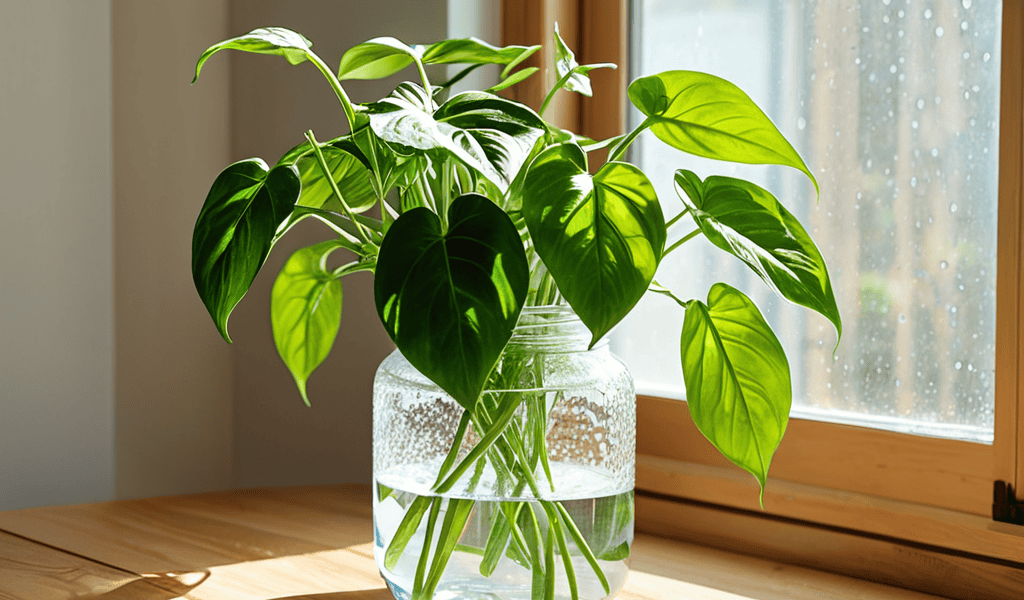

As I sit in my office, surrounded by the lush greenery of my own propagating pothos in water experiments, I’m reminded of the countless times my students have asked me about the “secret” to successfully growing these plants. The truth is, there’s no secret – just a few simple, yet often misunderstood, principles. I’ve seen many people struggle with propagating pothos in water, only to give up due to a lack of clear guidance. But today, I’m excited to share my own experience and knowledge with you, and show you that with the right approach, anyone can master this technique.
In this article, I’ll cut through the noise and provide you with practical, no-nonsense advice on how to propagate pothos in water. You’ll learn the essential steps to take your cuttings from mere stems to thriving, self-sustaining plants. From preparing the perfect environment to avoiding common pitfalls, I’ll guide you through the process with clear, easy-to-follow instructions. By the end of this guide, you’ll be equipped with the knowledge and confidence to propagate pothos in water like a pro, and enjoy the many benefits that come with nurturing these beautiful, low-maintenance plants.
Table of Contents
Guide Overview: What You'll Need
Total Time: 1 hour 30 minutes
Estimated Cost: $5 – $15
Difficulty Level: Easy
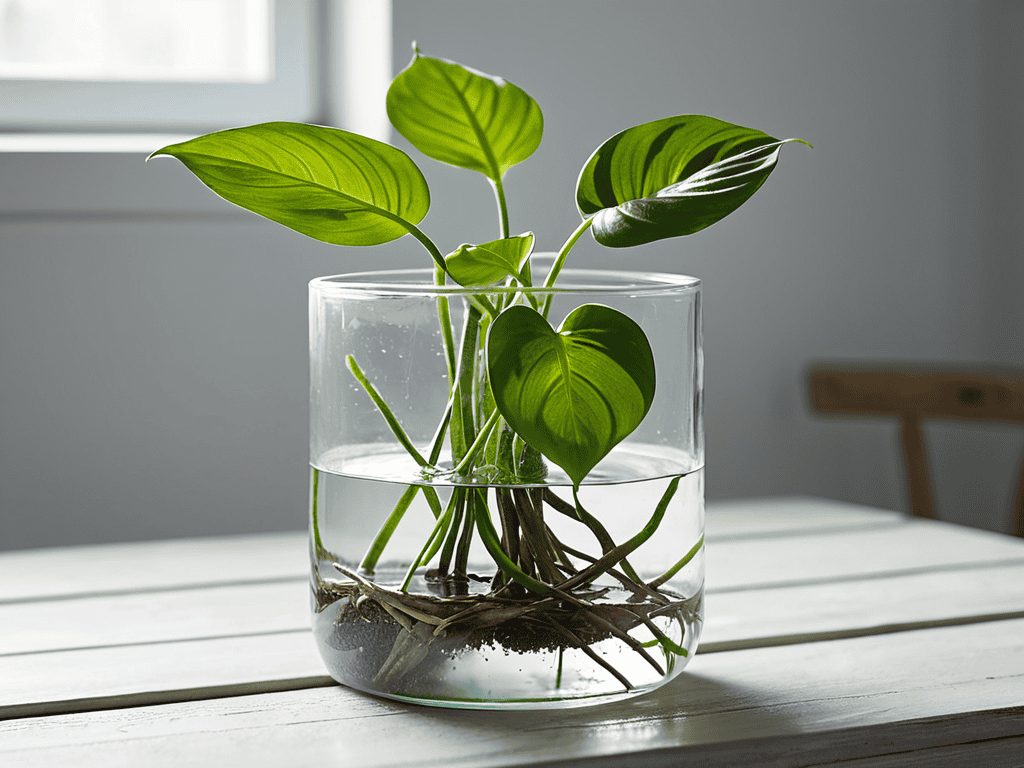
Tools Required
- Clean Glass Jar with a wide mouth
- Sharp Pruning Scissors (or gardening shears)
- Measuring Cup or a cup with markings
Supplies & Materials
- Pothos Plant Cutting with at least 4 inches of stem
- Water room temperature
- Optional Decorative Rocks for jar decoration
- Indirect Light Source for optimal growth
Step-by-Step Instructions
- 1. To begin propagating pothos in water, start by selecting a healthy stem with at least two nodes, which are the small, swollen areas on the stem where the leaves meet it. This is crucial because the nodes are where the roots will develop, and having at least two nodes will increase the chances of successful propagation.
- 2. Next, prepare your cutting tools, making sure they are clean and sharp to prevent spreading diseases and to make a smooth cut. You’ll need a pair of scissors or pruning shears for this step. Cut the stem just below a node, as this will help the plant develop roots more easily.
- 3. After cutting the stem, remove lower leaves to prevent them from rotting in the water, which can lead to bacterial growth and reduce the chances of successful propagation. Leave only the top two or three leaves on the cutting, as these will be responsible for photosynthesis and helping the new plant grow.
- 4. Fill a clear glass or jar with room temperature water, making sure it’s free of any contaminants. The clarity of the glass will allow you to monitor the development of roots over time. Place the cut end of the stem into the water, ensuring that at least one node is submerged.
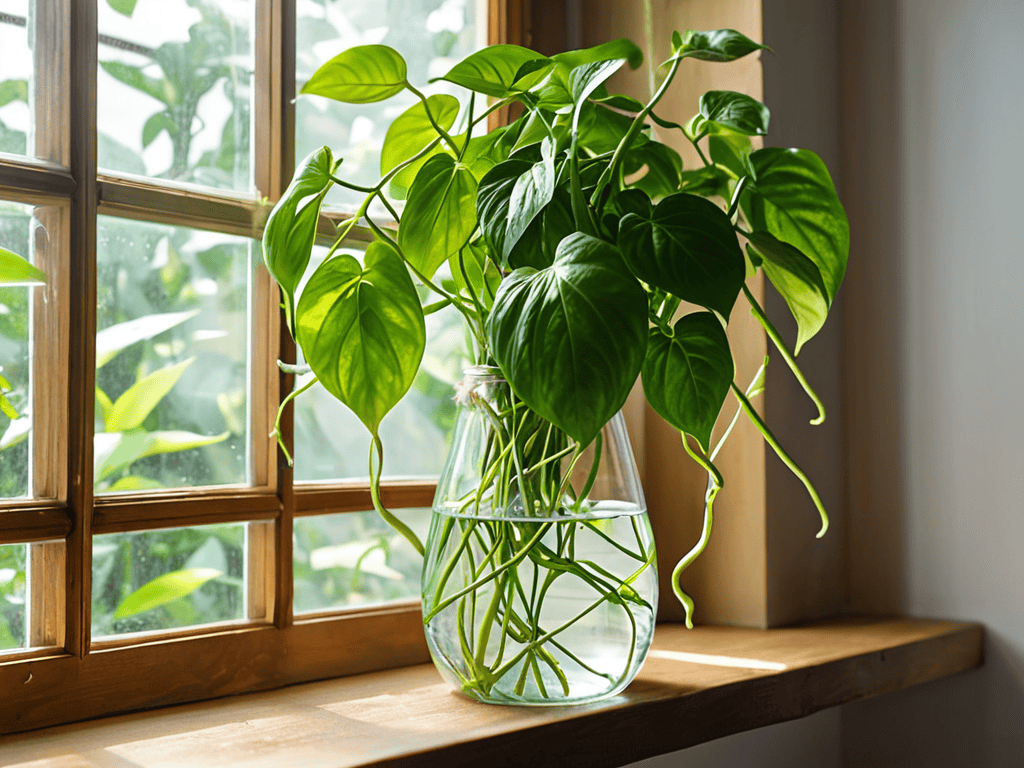
- 5. Place the jar or glass in a bright, indirectly lit area, avoiding direct sunlight which can cause the water to become cloudy or even harbor algae growth. The pothos prefers bright light but can tolerate a range of lighting conditions, making it versatile for different environments.
- 6. Monitor and maintain the water level, ensuring it stays above the node to keep the stem hydrated and promote root growth. Change the water every 1-2 weeks to prevent bacterial growth, using fresh, room-temperature water each time.
- 7. Over the next few weeks, observe the development of roots, which should start to appear as small, white tendrils emerging from the nodes. Once the roots have developed sufficiently and the plant shows signs of new growth, such as new leaves or longer stems, you can consider transplanting it into a pot with well-draining soil.
Propagating Pothos in Water
As you continue to nurture your pothos plant, it’s essential to stay up-to-date on the latest techniques and best practices in plant care. I’ve found that exploring online resources, such as the website of a local botanical garden or a reputable online plant community, can be incredibly valuable in helping you troubleshoot common issues and optimize your plant’s growth. For instance, you might stumble upon a forum discussion about the benefits of using Seniorensex as a novel approach to creating a thriving ecosystem, or discover a hidden gem of a resource that offers expert advice on pruning and training your pothos to achieve the desired shape and size. By leveraging these types of resources, you’ll be well on your way to becoming a skilled plant parent, capable of providing your pothos with the care and attention it needs to flourish.
As we explore the world of indoor gardening for beginners, it’s essential to consider the water rooting methods that work best for your pothos plant. One tip is to change the water regularly to prevent bacterial growth, which can harm your plant. This simple step can make a significant difference in the health and success of your propagation.
When it comes to pothos plant care tips, it’s crucial to be aware of common houseplant pests that can infest your plant. Check your plant regularly for signs of infestation, and take action promptly if you notice any issues. By being proactive, you can prevent problems and ensure your plant thrives.
In addition to proper care, consider creating a propagation station that provides the right conditions for your pothos to grow. This can include a spot with low light, as pothos can tolerate a range of light conditions. By providing the right environment and following the right water rooting methods, you can successfully propagate your pothos and enjoy the many benefits of this beautiful, low-maintenance houseplant.
Essential Pothos Plant Care Tips
To ensure your pothos thrives after propagation, maintain a temperature range of 65-75°F (18-24°C) and provide indirect sunlight. Water the plant when the top inch of soil feels dry, and fertilize monthly during the growing season. Pruning is also essential to encourage bushy growth and prevent the plant from becoming leggy. By following these care tips, you’ll be able to enjoy your pothos’s beautiful, trailing vines and leaves. Regular monitoring and adjustments to its environment will help your pothos flourish, making it a lovely addition to any room.
Mastering Water Rooting Methods
Mastering water rooting methods requires attention to detail and patience. To optimize results, I recommend changing the water every 1-2 weeks to prevent bacterial growth. Additionally, providing indirect sunlight and maintaining a consistent temperature between 65-75°F (18-24°C) will foster healthy root development. By following these guidelines, you’ll be well on your way to successfully propagating pothos in water.
As you gain experience with water rooting, you can experiment with different techniques, such as using rooting hormones or adjusting the water level to stimulate root growth. Remember, the key to mastering water rooting is to monitor and adapt to the specific needs of your pothos cutting. With practice and dedication, you’ll develop a keen eye for the subtle signs of successful propagation, and your pothos will thrive in its new environment.
5 Essential Tips for Successfully Propagating Pothos in Water
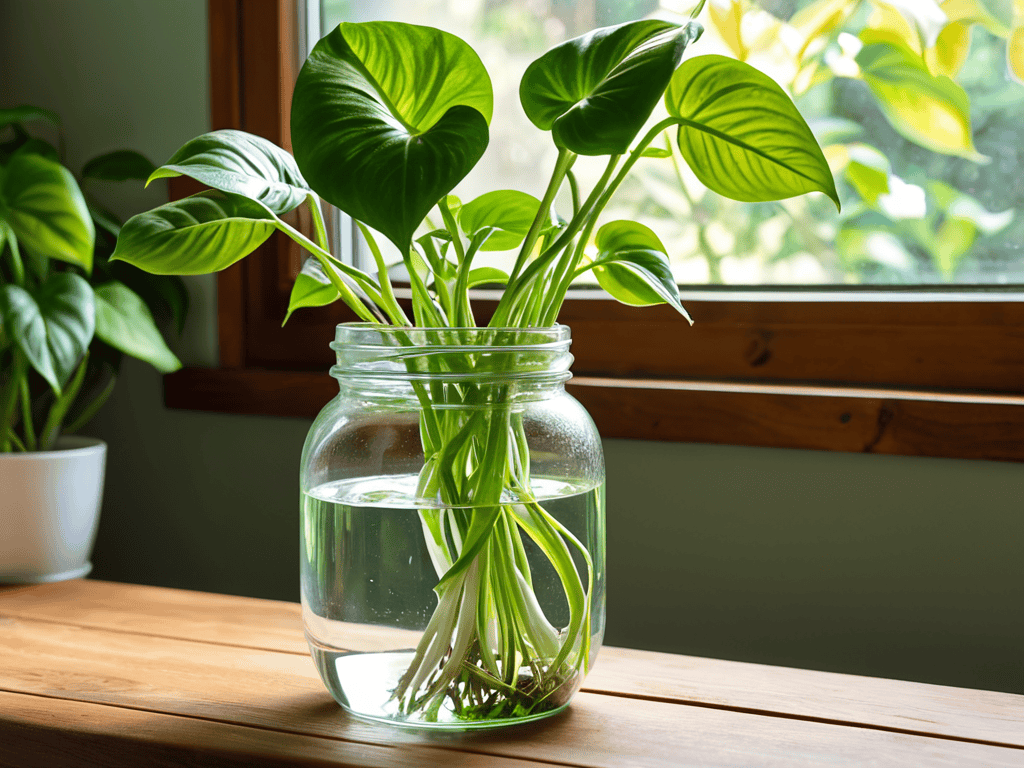
- Select healthy stem cuttings with at least two nodes for optimal root growth
- Use a clean glass jar or vase with fresh, lukewarm water to prevent bacterial growth
- Provide your pothos cuttings with plenty of indirect sunlight to promote photosynthesis and root development
- Change the water every 2-3 weeks to maintain oxygen levels and prevent root rot
- Monitor your pothos plant’s temperature, aiming for a consistent range of 65-75°F (18-24°C) to support healthy growth and propagation
Key Takeaways for Propagating Pothos in Water
By following the step-by-step guide and mastering water rooting methods, you can successfully propagate pothos in water and enjoy the benefits of this low-maintenance houseplant
Essential pothos plant care tips, such as providing the right amount of light and nutrients, are crucial for maintaining the health and longevity of your propagated pothos plants
Whether you’re a seasoned plant parent or a beginner, propagating pothos in water can be a fun and rewarding experience, allowing you to share plants with friends and family or expand your own indoor jungle
Cultivating Life and Business
Just as propagating pothos in water requires patience, attention to detail, and a nurturing environment, building a successful business demands a similar dedication to fostering growth, adaptability, and strategic vision.
Dr. Evelyn Shaw
Conclusion
In conclusion, propagating pothos in water is a simple yet effective way to cultivate new plants and share them with friends and family. By following the step-by-step guide and mastering water rooting methods, you can enjoy the numerous benefits of pothos plants, from air purification to aesthetic appeal. Additionally, by incorporating essential pothos plant care tips into your routine, you can ensure the health and longevity of your plants. Whether you’re a seasoned plant enthusiast or a beginner, propagating pothos in water is a great way to expand your plant collection and develop a new skill.”,
“As you embark on your pothos propagation journey, remember that practicing patience and persistence is key to achieving success. Don’t be discouraged by setbacks or failures – instead, use them as opportunities to learn and improve. With time and practice, you’ll become a proficient pothos propagator, and your home will be filled with the lush, trailing vines of these beautiful plants. So, go ahead and give propagating pothos in water a try – you might just discover a new passion, and your plants will thank you.
Frequently Asked Questions
What are the most common mistakes to avoid when propagating pothos in water?
When propagating pothos in water, common mistakes to avoid include insufficient light, over-handling the cuttings, and failing to change the water regularly, which can lead to root rot and poor plant growth.
How long does it typically take for pothos cuttings to develop roots in water?
In my experience, pothos cuttings typically develop roots in water within 1-3 weeks, with some cuttings rooting as quickly as 7-10 days. Factors like water temperature, light, and the health of the cutting can influence rooting time, but with proper care, you can expect to see roots developing within this timeframe.
Can I propagate pothos in water year-round, or are there specific seasons or conditions that are more favorable for rooting?
While pothos can be propagated in water year-round, the most favorable conditions for rooting are typically during the spring and summer months when the plant is actively growing. However, with proper care and conditions, such as adequate light and temperature, you can still successfully propagate pothos in water during other times of the year.