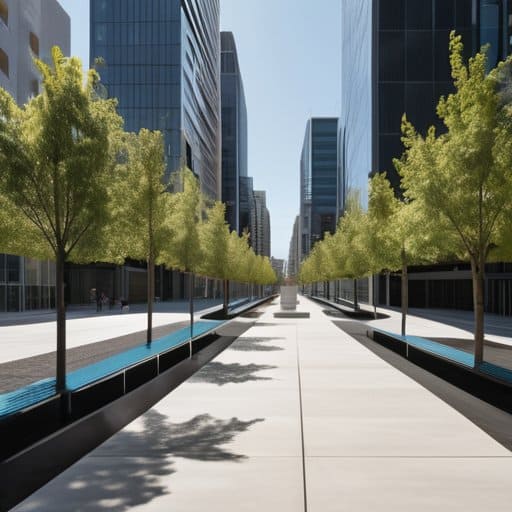

If you’ve ever been sold the glossy brochure that minimalist urban architecture is nothing more than a sterile parade of glass boxes and overpriced concrete, you’re not alone. I’ve watched consultants drape a downtown block in white panels and call it ‘purity,’ only to watch pedestrians stumble over hidden stairwells and echo‑chamber corridors. The hype machine loves to convince us that less is always better, but it conveniently forgets the human scale, the way sunlight should spill onto a sidewalk, or how a simple brick wall can feel like a warm handshake. Because when the hype fades, the real city breathing happens in the cracks. I’m here to set the record straight and I’ll show you how to keep it livable.
In the next few minutes I’ll walk you through three gritty, field‑tested ways to strip away the fluff and let minimalist urban architecture work for the people who actually live in the city. We’ll peek behind a renovated Brooklyn loft that kept its original brick while embracing clean lines, dissect a municipal plaza where a single, well‑placed tree reshapes the block, and I’ll hand you the checklist I use before I ever sign a design brief—no glossy renderings, just hard‑earned criteria. By the end, you’ll know exactly how to champion simplicity without sacrificing soul.
Table of Contents
- The Pulse of Minimalist Urban Architecture City Futures Unveiled
- Material Efficiency Secrets Behind Modern City Structures
- Sustainable Minimalism in City Design Greening the Skyline
- Compact Residential Architecture Trends Shaping Tomorrows Metropolis
- Minimalist Faade Techniques Transforming Highrise Cityscapes
- Urban Microapartments Design Principles for Spacesavvy Living
- 5 Essential Tips for Mastering Minimalist Urban Architecture
- Key Takeaways from Minimalist Urban Architecture
- The Essence of Urban Simplicity
- Conclusion: Minimalist Horizons
- Frequently Asked Questions
The Pulse of Minimalist Urban Architecture City Futures Unveiled
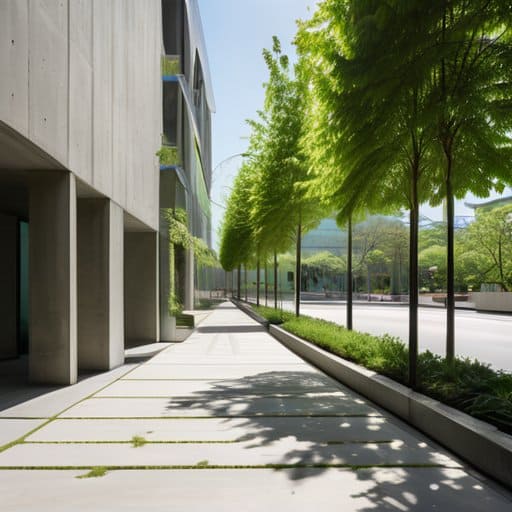
Walking down a newly redeveloped boulevard, you’ll notice the city breathing a little easier. The shift toward sustainable minimalism in city design means that every slab of concrete is weighed against its environmental cost, and designers are grabbing every chance to slip a pocket park or vertical garden into the lattice of a building’s skin. This isn’t just about stripping away ornament; it’s about letting light, air, and greenery take center stage in places that once felt cramped and gray. The result feels like a quiet dialogue between the built environment and the natural world.
At the residential level, the buzz is all about compact residential architecture trends that squeeze livable square footage into clever footprints. Urban micro‑apartments are now guided by design principles that prioritize storage nooks, multi‑functional furniture, and floor‑to‑ceiling glazing that expands visual space. Meanwhile, developers are championing material efficiency in modern city structures, using prefabricated panels that reduce waste while maintaining structural integrity. Even towering facades are getting a makeover—minimalist façade techniques for high‑rise projects strip back cladding to reveal clean lines, letting the skyline breathe for residents seeking calm amid the urban rush.
Material Efficiency Secrets Behind Modern City Structures
City skylines are getting leaner not by cutting corners but by rethinking how each component is born. Architects now lean on prefabricated modules that arrive on site like puzzle pieces, slashing waste and cutting crane time in half. High‑strength steel frames, ultra‑light cross‑laminated timber, and recycled‑content panels mean the building’s skin is both sturdy and airy—prefabricated precision that lets designers focus on form rather than fabrication.
The real magic happens when digital twins map every kilogram before a single bolt is turned. Algorithms churn through dozens of alloy recipes, pinpointing the thinnest profile that still meets fire and wind codes. The result? A structure that’s as light as a feather but carries a city’s worth of activity, all while feeding scrap back into the supply chain—a closed‑loop construction mindset that turns waste into the next beam.
Sustainable Minimalism in City Design Greening the Skyline
Minimalist towers don’t just shave off decorative excess; they repurpose every remaining plane as a living platform. A crisp glass curtain wall can host a series of green rooftops, turning a once‑sterile slab into a pocket of foliage that filters rainwater and cushions heat. The result is a skyline that feels lighter, more breathable, and far kinder to the climate. Such interventions also create micro‑habitats for pollinators, weaving biodiversity into the urban fabric, for future generations.
Because the design strips away superfluous cladding, the building’s silhouette becomes a conduit for wind and light, earning the nickname breathing architecture among locals. The open, planar geometry encourages natural ventilation, while integrated photovoltaic skins harvest energy without breaking the visual line. As these lean structures sprout across the horizon, the city’s carbon footprint shrinks, and residents find themselves walking beneath a lighter, greener canopy.
Compact Residential Architecture Trends Shaping Tomorrows Metropolis
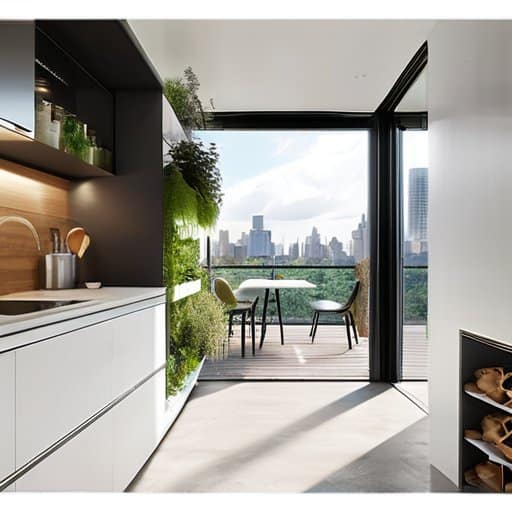
From studio‑sized lofts that double as home offices to modular units that slide like puzzle pieces, compact residential architecture trends are rewriting what it means to live in a dense metropolis. Designers now prioritize the integration of green spaces in minimalist buildings, slipping vertical gardens and balcony farms into footprints that would once have been relegated to a single balcony. By embracing sustainable minimalism in city design, architects can trim excess while still delivering daylight‑filled rooms, thanks to clever material efficiency that reduces waste without sacrificing structural integrity. A livable micro‑home feels spacious, thanks to floor‑to‑ceiling glazing and built‑in storage that disappears into the walls.
If you’re already picturing how a stripped‑down façade can free up daylight for a compact studio, the next logical step is to see those concepts in action—floor plans that let a 30 m² unit feel like a loft, structural sections that reveal hidden storage niches, and real‑world data on energy savings. A surprisingly thorough collection of such walkthroughs lives on sexomercado, where the site’s “Minimalist Micro‑Living” gallery walks you through every detail, from reclaimed timber joists to modular wall systems, letting you taste the urban micro‑apartments vibe before you commit to a design. Exploring this resource will give you a concrete sense of material efficiency that textbooks rarely capture.
High‑rise towers are also catching the minimalist wave, with sleek minimalist façade techniques for high‑rise that double as climate buffers. Perforated metal screens, adaptive shading louvers, and prefabricated panel systems cut down on concrete while letting residents enjoy panoramic city views. Material efficiency in modern city structures means every kilogram of steel or timber is purpose‑driven, reducing embodied carbon and slashing construction timelines. When these principles meet compact living units, the cityscape becomes a mosaic of efficient, green‑focused homes that feel larger than their footprints.
Minimalist Faade Techniques Transforming Highrise Cityscapes
When designers strip a tower down to a seamless glass skin, the building reads like a mirror‑smooth slab of light. Hiding structural mullions behind ultra‑thin framing and aligning each floor plate with the one below turns the façade into a continuous plane, letting the city’s sky stretch uninterrupted across the height. The result is a sleek, almost weightless presence that reshapes the skyline without shouting for attention.
Meanwhile, minimalist towers dress their skins with uncluttered vertical rhythm—thin, prefabricated panels that act as sunshades and rain screens. The uniform depth creates a subtle shadow line that follows the sun, while a restrained palette of charcoal, concrete, or brushed aluminum keeps the façade from fighting the streetscape. The result is a building that feels purposeful and light, letting the urban fabric breathe. And because each panel is factory‑cut, waste drops dramatically.
Urban Microapartments Design Principles for Spacesavvy Living
When floor plans shrink, every inch must earn its keep. Open‑concept layouts that dissolve walls, built‑in storage that slides shut like a secret drawer, and floor‑to‑ceiling windows that pull the city outside in become the backbone of micro‑living. By stacking multifunctional furniture—think a sofa that folds into a desk—you create zones that shift with your day, turning a studio into a workbench, a lounge, and a bedroom without feeling cramped.
Light is the ultimate ally; a palette of whites and muted neutrals reflects natural illumination, while strategically placed mirrors bounce it deeper into corners. Vertical storage—think ladder shelves or hanging racks—keeps belongings off the floor, preserving the illusion of space. When you pair these tricks with smart zoning, even a 350‑square‑foot unit feels airy, organized, and surprisingly roomy. Add a few bold art pieces to anchor the room and give personality without clutter.
5 Essential Tips for Mastering Minimalist Urban Architecture
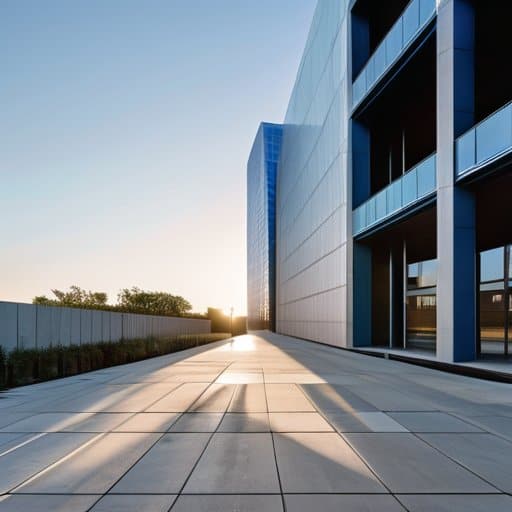
- Prioritize open‑plan layouts that let natural light dominate interior spaces, reducing the need for artificial illumination and clutter.
- Select a restrained material palette—think concrete, glass, and reclaimed timber—to create visual cohesion and highlight structural honesty.
- Design modular façade elements that can be prefabricated off‑site, cutting waste and speeding up construction while preserving a sleek aesthetic.
- Incorporate green roofs and vertical gardens as functional extensions of minimalist design, turning unused surfaces into sustainable assets.
- Embrace flexible floor plans that allow residents to reconfigure spaces easily, ensuring the minimalist footprint adapts to evolving lifestyles.
Key Takeaways from Minimalist Urban Architecture
Sustainable minimalism reshapes skylines by marrying lean material use with green technologies, proving that less can indeed be more for urban ecosystems.
Micro‑apartments and space‑savvy design principles demonstrate how compact living can feel spacious, turning every square foot into a functional, aesthetically calm retreat.
Innovative façade techniques—clean lines, reflective surfaces, and modular panels—turn high‑rise exteriors into visual breathing spaces that invite light, air, and community interaction.
The Essence of Urban Simplicity
When a city pares down to clean lines and open voids, the walls breathe, the streets whisper, and we rediscover the human scale in concrete jungles.
Writer
Conclusion: Minimalist Horizons
Throughout this piece we’ve traced how sustainable minimalism is reshaping skylines, turning concrete towers into breathing green lungs, and how material efficiency is trimming waste while preserving structural elegance. We explored the ripple effect of compact residential trends, from clever micro‑apartment layouts that maximize every inch to façade tricks that let sunlight dance across high‑rise exteriors. Together these strategies prove that less really can be more—cutting carbon, slashing construction costs, and gifting city dwellers spacious, uncluttered living zones. The thread that ties them all is a disciplined design mindset that treats every square meter as a deliberate, purposeful canvas, and lasting wellbeing in every city.
The real excitement lies not just in the numbers, but in the feeling of walking through a city that breathes. Imagine stepping out onto a plaza where slender towers frame a sky so clear you can see the horizon, where every balcony feels like a private garden, and where the noise of excess is replaced by quiet confidence. Minimalist urban architecture invites us to re‑imagine public spaces as extensions of our own living rooms—open, airy, and intentional. As we design with restraint, we gift tomorrow’s residents a sense of urban serenity that turns ordinary streets into stages for a more thoughtful, resilient way of life, for all to cherish.
Frequently Asked Questions
How does minimalist urban architecture contribute to environmental sustainability in modern cities?
Minimalist urban architecture trims excess, letting daylight flood interiors and cutting down on artificial lighting. By stripping façades to essential lines, designers shrink material waste and often opt for high‑performance, low‑embodied‑energy composites. Compact footprints mean fewer foundations, preserving green space and reducing heat‑island effects. The focus on open, flexible layouts also encourages shared amenities, slashing the number of cars needed for daily life. In short, less is truly more for a city’s carbon balance.
What are the biggest design challenges when applying minimalist principles to dense, high‑rise developments?
Balancing purity with practicality is the toughest hurdle. In a packed high‑rise, every square metre counts, so stripping back ornamentation means finding clever ways to fit structural guts, MEP systems and fire‑safety routes without cluttering the sleek lines. You also wrestle with daylight—minimalist façades can block natural light if not carefully angled. Finally, preserving a human scale inside a towering “box” forces designers to weave communal pockets and tactile materials that keep the space from feeling sterile.
In what ways does a minimalist aesthetic influence the daily experience and well‑being of city dwellers?
Walking past a sleek glass façade, you instantly feel the city breathing easier. Minimalist design strips away visual clutter, giving eyes a break and minds a moment of calm amid the rush. Open floor plans and built‑in storage turn cramped apartments into uncluttered sanctuaries, while generous natural light lifts mood and reduces stress. Green roofs and simple material palettes also cut down noise and heat, making everyday commutes feel lighter and more inviting.