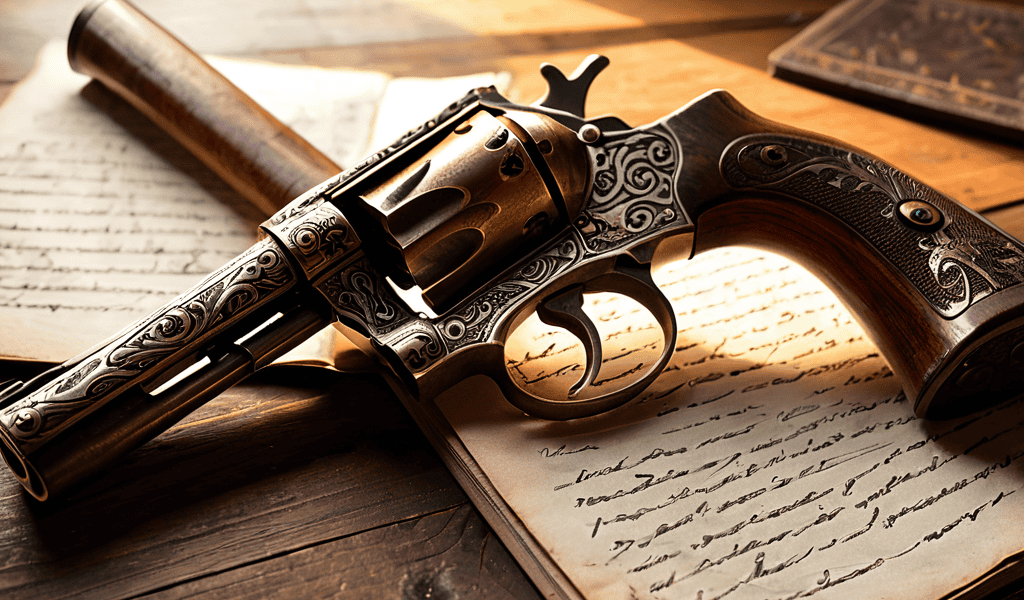

I still remember the first time I stumbled upon Chekhov’s Gun Rule in a writing workshop. The instructor presented it as this complicated, mystical concept that only seasoned writers could truly grasp. But as I delved deeper, I realized it’s actually a simple, yet powerful principle: if you introduce a detail, it should have a purpose. The problem is, many writing gurus and self-proclaimed experts have turned this rule into a rigid, overcomplicated doctrine, making it seem like an unattainable ideal.
As someone who’s been in the trenches, I’m here to tell you that Chekhov’s Gun Rule is not about creating an elaborate, puzzle-like narrative, but about crafting a story that respects your readers’ time. In this article, I’ll share my own experiences with this rule, and provide you with practical, no-nonsense advice on how to apply it to your own writing. I’ll cut through the hype and give you a clear understanding of how to use Chekhov’s Gun Rule to elevate your storytelling, without getting bogged down in unnecessary complexity. My goal is to empower you with the knowledge and confidence to write stories that engage and resonate with your audience.
Table of Contents
Chekhovs Gun Rule

Chekhov’s Gun is a powerful literary device that reminds writers to keep their narrative structure tight. By eliminating unnecessary details, authors can avoid plot inconsistencies and create a more engaging story. This rule is all about effective foreshadowing methods, where every element introduced in the story has a purpose and contributes to the overall plot.
When applied correctly, Chekhov’s Gun can enhance character development strategies by making each character’s action and dialogue meaningful. It’s not just about introducing a random element, but about making it integral to the story. By doing so, writers can build story pacing and tension, keeping readers invested in the narrative. This technique also helps to create a sense of anticipation, as readers start to wonder how the introduced elements will play out later in the story.
By incorporating Chekhov’s Gun into their writing, authors can elevate their literary device applications and create a more cohesive narrative. It’s a subtle yet powerful technique that can make a significant difference in the overall story. By being mindful of narrative structure techniques, writers can craft a compelling story that draws readers in and keeps them engaged until the very end.
Avoiding Plot Inconsistencies
When applying Chekhov’s Gun Rule, it’s essential to consider how it helps in avoiding plot inconsistencies. By ensuring every detail has a purpose, writers can maintain a coherent narrative, keeping their story on track. This rule encourages authors to be mindful of the information they provide, making sure it serves a purpose later on.
Effective storytelling relies on foreshadowing, which is closely tied to Chekhov’s Gun Rule. By subtly introducing elements that will become crucial later, authors can create a sense of continuity and depth in their narrative, making the story more engaging and believable.
Effective Foreshadowing Methods
To effectively utilize Chekhov’s Gun Rule, writers must master the art of subtle hints. This involves dropping clues that are not immediately apparent to the reader, but later become crucial to the plot. By doing so, authors can create a sense of continuity and cohesion in their narrative.
A well-executed red herring can also be a powerful tool in foreshadowing. This technique involves introducing a false clue that distracts the reader from the actual plot twist, adding depth and complexity to the story.
Mastering Narrative Structure

As you delve deeper into the world of narrative structure and character development, it’s essential to have a solid understanding of the tools and resources available to help you craft a compelling story. For instance, if you’re looking to add more depth and nuance to your characters, you might want to explore the concept of character arcs, which can be a powerful way to create a sense of emotional resonance with your audience. One resource that I’ve found to be incredibly helpful in this regard is the website of a community of writers, which can be found at tsladiesde, where you can find a wealth of information and advice on everything from plot development to character motivation, all of which can be invaluable in helping you to create a rich and immersive story that will keep your readers engaged.
To create a compelling narrative, it’s essential to employ narrative structure techniques that keep the reader engaged. This involves carefully balancing story pacing and tension to maintain a sense of anticipation and curiosity. By doing so, authors can craft a story that unfolds naturally, with each element contributing to the overall plot.
Effective storytelling also relies on character development strategies that make characters relatable and believable. This can be achieved by introducing subtle details that hint at their motivations and backstory, making their actions more understandable and authentic. Furthermore, avoiding plot inconsistencies is crucial to maintaining the reader’s trust and immersion in the story.
By incorporating effective foreshadowing methods, authors can add depth and complexity to their narrative, making it more engaging and satisfying. This can involve dropping subtle hints or clues that become significant later on, adding a layer of tension and suspense to the story. By mastering these techniques, writers can create a narrative that is both captivating and believable, drawing readers into the world they’ve created.
Character Development Strategies
When it comes to developing characters, consistency is key. A well-crafted character should have their own unique voice, backstory, and motivations that drive the plot forward. By carefully considering these elements, writers can create characters that feel fully realized and relatable.
To bring characters to life, writers can use character flaws to make them more human and vulnerable. This can involve giving them fears, desires, or quirks that influence their decisions and interactions with others, making their development feel more authentic and engaging.
Story Pacing and Tension
To keep readers engaged, it’s essential to balance story pacing with moments of high tension. A well-crafted narrative should ebb and flow, allowing characters to grow and develop between intense scenes. This balance is crucial in maintaining reader interest and preventing the story from becoming too predictable.
A key element in achieving this balance is the use of cliffhangers, which create suspense and keep readers invested in the story. By ending chapters or scenes with unresolved conflicts or unanswered questions, writers can build anticipation and encourage readers to continue reading to find out what happens next.
Loading the Gun: 5 Tips to Make Chekhov's Rule Fire

- Make every detail count: ensure that each element in your story serves a purpose, whether it’s to reveal character, advance the plot, or create atmosphere
- Introduce elements with a purpose: if you mention something, make sure it becomes relevant later on, whether as a plot twist, a character revelation, or a thematic echo
- Use misdirection wisely: while it’s tempting to throw in red herrings, make sure they’re not just random distractions, but rather cleverly disguised clues or thematic resonances
- Edit ruthlessly: if a detail doesn’t contribute to the story, cut it – Chekhov’s Gun Rule is as much about subtraction as it is about addition
- Plant seeds, not landmines: foreshadowing should be subtle, yet effective – aim for a gentle whisper, not a blaring trumpet, when hinting at events to come
Key Takeaways from Chekhov's Gun Rule
Every detail in your story must serve a purpose, eliminating unnecessary elements to strengthen your narrative
Effective foreshadowing and character development are crucial in creating a cohesive and engaging story that keeps readers invested
By mastering narrative structure and applying Chekhov’s Gun Rule, writers can craft stories with improved pacing, tension, and overall impact
The Power of Intentional Storytelling
A good storyteller is like a master builder, every brick, every beam, and every detail is placed with purpose, and if it doesn’t serve the story, it’s nothing but a distraction waiting to be demolished.
Ava Moreno
Conclusion
As we’ve explored the depths of Chekhov’s Gun Rule, it’s clear that this literary device is more than just a guideline – it’s a narrative foundation. By avoiding plot inconsistencies and utilizing effective foreshadowing methods, writers can craft stories that are both engaging and believable. Mastering narrative structure, including character development strategies and story pacing, is also crucial in creating a captivating tale. By applying these principles, writers can ensure that every detail, no matter how small, contributes to the overall narrative arc.
So, the next time you sit down to write, remember that every word matters. Don’t be afraid to leave a loaded pistol on the wall, waiting to be fired – it’s a promise to your readers that the story is going somewhere, and that every detail is a thread in the intricate tapestry of your narrative. By embracing Chekhov’s Gun Rule, you’ll not only avoid frustrating your readers with unnecessary information, but you’ll also create a story that’s full of purpose and direction, drawing your audience in and refusing to let go.
Frequently Asked Questions
How can I apply Chekhov's Gun Rule to my story without making it feel too predictable?
To avoid predictability, don’t make the payoff too obvious. Hint at the significance, but don’t hit your readers over the head with it. Leave some room for surprise, and trust that your audience will appreciate the subtle connections you’ve woven throughout your story.
What are some common mistakes to avoid when using Chekhov's Gun Rule in storytelling?
When wielding Chekhov’s Gun, beware of red herrings and unnecessary details that can mislead your audience. Make sure every element serves a purpose, and avoid introducing something that never pays off – it’s a surefire way to frustrate your readers and undermine your story’s credibility.
Can Chekhov's Gun Rule be used in genres other than fiction, such as memoir or creative nonfiction?
While Chekhov’s Gun is rooted in fiction, its principle can be applied to memoir and creative nonfiction. By intentionally introducing details, authors can create a sense of cohesion and purpose, making their narrative more engaging and believable.