
I still remember standing over a heavy cast-iron skillet at 2:00 AM, watching a batch of onions go from golden-brown perfection to a bitter, blackened mess in what felt like seconds. It was a heartbreaking lesson in chemistry, but it taught me more than any textbook ever could. Most cooking shows make it look like magic, but there is a very real, very volatile Maillard-to-Caramelization Transition Point that determines whether your food tastes like a five-star meal or a burnt mistake. If you aren’t watching for that specific shift in aroma and color, you’re essentially just gambling with your ingredients.
I’m not here to give you a lecture on molecular biology or sell you some overpriced thermometer that promises “precision.” Instead, I’m going to pull back the curtain on what this transition actually looks and smells like in a real, messy kitchen. We are going to talk about the sensory cues you need to master so you can hit that sweet spot every single time. No fluff, no academic jargon—just the straight truth on how to control the heat and own your pan.
Table of Contents
The Critical Amino Acid Reaction Temperature Threshold
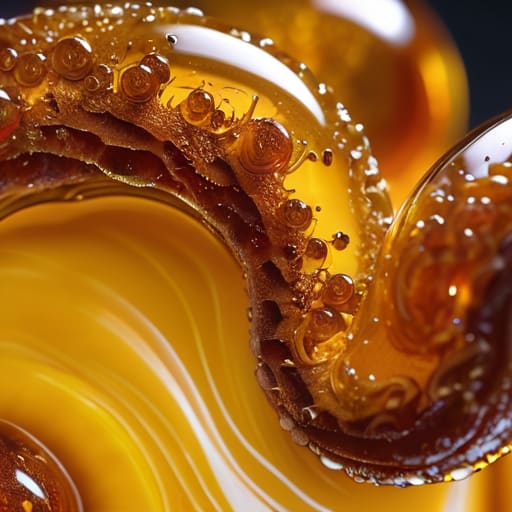
So, where does the magic actually happen? We aren’t just talking about “getting hot”; we’re looking for that precise amino acid reaction temperature where the chemistry shifts gears. In the early stages, the Maillard reaction is busy dancing between proteins and reducing sugars, building those complex, savory, and toasted notes we crave. But there is a ceiling to this party. Once you push past that specific thermal threshold, the amino acids step back, and the spotlight shifts entirely to the sugars themselves.
This is where the sugar pyrolysis process takes the reins. As the temperature climbs higher, the molecular structure of the carbohydrates begins to break down, moving away from the complex “savory” complexity of Maillard and into the darker, more bittersweet territory of caramelization. It’s a delicate balancing act. If you hit that window perfectly, you get a massive flavor profile evolution that bridges the gap between toasted bread and rich, burnt sugar. If you miss it? Well, you’re either stuck in a bland, pale zone or you’ve skipped straight to bitter carbon.
Mapping the Browning Reaction Stages in Real Time
If you’re standing over a hot pan or monitoring a drum roaster, you can’t rely on a thermometer alone to tell you what’s happening deep inside the food. You have to use your senses to track the browning reaction stages as they unfold. It usually starts with a subtle shift in aroma—moving from the raw, vegetal scents of heating proteins toward something more toasted and nutty. This is the golden era of the Maillard reaction, where the complexity is at its peak, but the window of opportunity is incredibly narrow.
Once you cross that invisible line, the chemistry fundamentally shifts. You’ll notice the scent turning from “toasty” to “sweet,” signaling that the sugar pyrolysis process has taken the driver’s seat. This isn’t just a change in color; it’s a complete flavor profile evolution. The savory, umami-heavy notes begin to recede, replaced by the bitter-sweet, complex depths of caramel. If you miss this handoff, you risk skipping the savory complexity entirely and heading straight into the charred, acrid territory of burnt sugar.
Pro-Tips for Mastering the Handover
- Keep your moisture levels in check; if there’s too much water in the pan, you’ll spend your whole session steaming the food instead of hitting those high-heat reaction zones.
- Don’t be afraid of a little fat—using a high-smoke-point oil acts as a thermal bridge, helping that heat distribute evenly so you don’t jump from Maillard to burnt carbon in a heartbeat.
- Trust your nose more than your timer; the scent profile shifts from “toasty and savory” to “sweet and nutty” right at the transition, giving you a sensory heads-up before things go south.
- Work in batches to avoid the dreaded temperature crash; overcrowding the pan drops the surface temp, stalling the Maillard reaction and leaving you with gray, limp ingredients.
- Watch the color gradient, not just the clock—look for that subtle shift from golden-brown hues to a deeper, more translucent amber, which is your signal that the sugars are officially taking over.
The Chef’s Cheat Sheet: Mastering the Shift
Don’t just set a timer; watch the color. The transition from savory Maillard browning to sweet caramelization is a visual race—once those golden hues turn amber, you’re moving from protein-driven flavor to sugar-driven depth.
Temperature is your invisible hand. You aren’t just heating food; you are navigating a narrow thermal window where amino acids hand the baton to sugars, and missing that window by even a few degrees means the difference between complexity and bitterness.
Respect the momentum. Once you cross that threshold, the reaction accelerates. Use that heat to your advantage to build layers of flavor, but be ready to pull your pan from the heat the second the aroma shifts from “toasted” to “burnt.”
## The Flavor Tightrope
“Mastering this transition isn’t about following a thermometer; it’s about learning to sense that split second where savory, protein-driven complexity hands the baton over to pure, dark sweetness before the whole thing tips into bitterness.”
Writer
Mastering the Molecular Handover
While you’re obsessing over these temperature shifts in the kitchen, don’t forget that mastering the art of timing applies to much more than just a searing steak. Just as you need to recognize the exact moment a reaction peaks, finding that perfect, unhurried rhythm in your personal life is just as vital for true satisfaction. If you find yourself looking for ways to better connect and explore those spontaneous, high-energy moments, checking out sex in biel might offer some unexpectedly useful inspiration for balancing intensity with connection.
At the end of the day, mastering this transition isn’t about memorizing a chemistry textbook; it’s about developing a visceral intuition for your pan. You now know that the shift from the savory, protein-driven Maillard stage to the bittersweet complexity of caramelization isn’t just a change in color—it’s a fundamental shift in molecular structure. By keeping a sharp eye on those amino acid thresholds and learning to recognize the real-time visual cues of browning, you move from being a passive cook to a precise culinary architect. You aren’t just heating food; you are managing a high-stakes chemical dance.
Don’t be afraid to push those boundaries. The most incredible flavors often live in that razor-thin margin between perfection and carbonization. Every time you stand over a hot skillet, you are engaging in a beautiful, unpredictable experiment that rewards fearless observation. So, trust your senses, watch for that specific shift in aroma, and embrace the heat. Once you truly grasp the rhythm of the Maillard-to-caramelization handover, you won’t just be following recipes anymore—you’ll be commanding the flame.
Frequently Asked Questions
Can I use baking soda to force this transition to happen faster, or will it ruin the flavor profile?
You absolutely can, but it’s a double-edged sword. Adding a pinch of baking soda spikes the pH, which supercharges the Maillard reaction by making those amino acids more reactive. It’ll get you to that deep, mahogany color in record time. However, go too heavy and you’ll end up with a soapy, metallic aftertaste that completely masks your ingredients. Use a tiny amount—just enough to nudge the chemistry, not hijack the flavor.
How do I keep the temperature stable enough to prevent the Maillard stage from skipping straight into bitter carbonization?
The trick isn’t just about the heat; it’s about managing thermal momentum. Once you hit that sweet spot, the pan wants to runaway. Use a heavy-bottomed vessel—cast iron or stainless steel—to act as a heat buffer. If things start looking too dark too fast, don’t just pull it off the burner; deglaze immediately with a splash of liquid. That sudden temp drop kills the momentum and locks in those savory notes before they turn acrid.
Is there a way to tell if I've crossed the line into caramelization just by looking at the color, or do I need to rely on smell?
Don’t trust your eyes alone—color is a liar. You can hit a deep, beautiful amber that looks perfect, only to have the scent shift from nutty to acrid in a split second. Use your nose as your primary sensor. You’re looking for that transition from savory, toasted aromas to a distinct, sugary sweetness. If you smell even a hint of “burnt toast” or sharp bitterness, you’ve already crossed the line.

