
If you think Secular spiritual wellness is just another buzzword wrapped in overpriced yoga mats and crystal‑infused water bottles, you’re buying into the same marketing fluff that turned my first “mind‑body” retreat into a $300 coffee‑shop lecture. I remember sitting in a conference room, half‑asleep, while a speaker warned that “energy alignment” requires a $49 subscription. The truth? You don’t need a subscription to feel grounded. What I learned instead was that a simple five‑minute walk, noticing the city’s honking chorus and the smell of fresh‑baked bagels, can give you more of that quiet focus than any scented candle.
In this post I’ll skip the jargon and hand you three down‑to‑earth habits—one from my own commuter routine, one from a weekend garden med‑pause, and one that fits into a 9‑to‑5 schedule—so you can experience genuine secular spiritual wellness without the price tag or the mystic jargon. By the end, you’ll have a toolbox that feels less like a guru’s sales pitch and more like a friend’s cheat sheet for everyday calm. Grab a notebook, try the first habit tonight, and see how quickly the tension lifts in your life.
Table of Contents
- Secular Spiritual Wellness Crafting Meaningful Everyday Practices
- Exploring Non Religious Meditation Practices for Daily Clarity
- Psychology of Transcendence in Secular Life
- Building Community Bridges Secular Paths to Spiritual Wellbeing
- Meaningful Rituals Without Religion Crafting Your Own Sacred Space
- Secular Approaches to Mindfulness That Fit Busy Lives
- Five Secular Steps to Spark Your Inner Well‑Being
- Bottom‑Line Nuggets
- The Heart of Secular Wellness
- Wrapping It All Up
- Frequently Asked Questions
Secular Spiritual Wellness Crafting Meaningful Everyday Practices

When the day feels like a relentless to‑do list, carving out a quiet pocket for a short breathing pause can feel revolutionary. A simple non‑religious meditation practice—whether you’re counting breaths on the subway or gently scanning sensations during a coffee break—creates a micro‑ritual that signals to your nervous system, “I’ve got this.” Because the habit isn’t tied to a creed, it stays flexible: you can pair it with a favorite song, a stretch, or a gratitude jot‑down. Over weeks, that tiny pause builds a personal rhythm that feels almost like a secular sunrise, a moment of mindful reset that steadies the mind without any theological baggage.
Beyond the solitary pause, many find purpose in meaningful rituals without religion that involve others. Organizing a weekly “walk‑and‑talk” with friends, sharing a communal pot‑luck, or even joining a local book circle can spark community building for spiritual well‑being. These gatherings let you experience the psychology of transcendence in secular life—the subtle lift you get when you feel part of something larger than yourself. By weaving such practices into everyday routines, you’re not just checking a wellness box; you’re crafting a holistic approach that honors curiosity, connection, and the quiet awe that lives in ordinary moments.
Exploring Non Religious Meditation Practices for Daily Clarity
One of the simplest ways to carve out focus between meetings is to treat your breath like a private handshake with yourself. A three‑minute sit‑down, eyes closed, counting each inhale and exhale can reset the nervous system faster than any caffeine hit. You don’t need a cushion or mantra—just the intention to notice the chest’s rise and fall. Over time, mindful breathing becomes a mental reset button you can pull anywhere.
Another technique that fits into a lunch break or a bathroom stall is a simple sensory grounding exercise. Pick three things you can see, two you can hear, and one you can feel, then let those sensations anchor you. The practice doesn’t rely on religious language; it’s a reminder that your body is a steady compass. By habitually grounding in the present, you’ll notice distractions dissolve faster than you’d expect.
Psychology of Transcendence in Secular Life
When you pause to watch a sunset or get lost in a favorite piece of music, your brain flips a switch: the default‑mode network quiets, while regions linked to reward and attention light up. That brief surge of awe‑inspiring moments creates a feeling of stepping outside the self, a micro‑transcendence that doesn’t require any creed. In everyday life, these moments act like mental reset buttons, sharpening focus and softening stress.
We can deliberately invite that state by curating tiny rituals—writing a gratitude note, tending a plant, or simply breathing with full awareness. Over time, the brain learns to associate ordinary actions with a sense of purposeful elevation, turning routine chores into subtle gateways toward a broader, more connected self‑concept. That quiet shift can ripple into better relationships, sharper creativity, and a resilient outlook when life gets noisy for you and your community.
Building Community Bridges Secular Paths to Spiritual Wellbeing
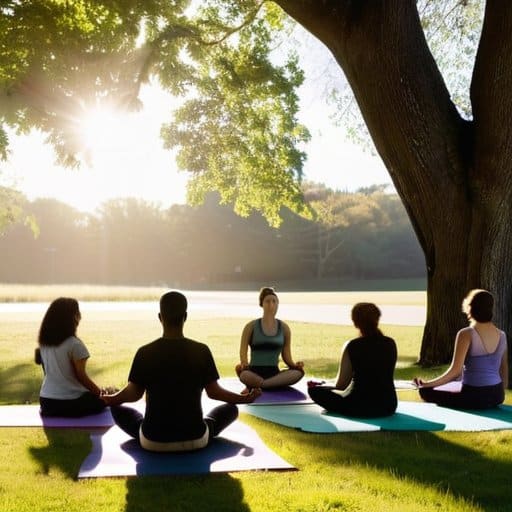
One of the most effective ways to turn solitary reflection into a shared journey is to organize local meet‑ups that focus on non‑religious meditation practices. Whether it’s a park‑side breathing circle or a guided body‑scan session at a community center, these gatherings give participants a sense of belonging without invoking any creed. By framing the event as a space for meaningful rituals without religion, organizers tap into the human craving for collective rhythm and can spark spontaneous conversations about purpose, encouraging a ripple effect of community building for spiritual well‑being.
Beyond the group format, individual seekers can weave secular approaches to mindfulness into everyday routines—think of a five‑minute gratitude pause before lunch or a nightly digital‑detox walk that feels almost ceremonial. Research into the psychology of transcendence in secular life shows that these simple, repeatable habits trigger the same neural pathways that traditional prayer once did, fostering a quiet sense of awe. When paired with a supportive network, such practices become the backbone of holistic wellness beyond religion, offering both personal enrichment and a shared, non‑doctrinal language for communal growth. They prove that community can be sacred too.
Meaningful Rituals Without Religion Crafting Your Own Sacred Space
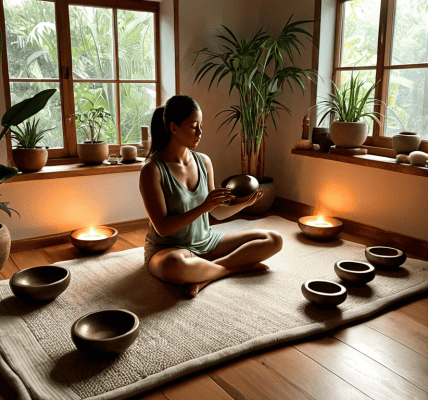
One of the simplest ways to invite a sense of reverence into a secular life is to set aside a tiny corner of your home as a personal altar. It doesn’t need candles or incense—just a few items that spark curiosity or gratitude, like a favorite mug, a handwritten note, or a smooth stone from a hike. When you pause there each morning, you signal to your brain that this moment matters, and the routine quietly stitches meaning into the day.
Beyond the physical setup, the ritual’s power lies in the intention you bring to it. Choose a brief, repeatable action—lighting a single LED candle, writing a three‑sentence gratitude list, or simply breathing deeply for a minute. By consistently returning to this quiet corner, you create a mental cue that signals transition from hustle to a space where purpose can surface.
Secular Approaches to Mindfulness That Fit Busy Lives
If you’ve ever felt that the usual mindfulness apps leave something out, consider looking beyond the mainstream and exploring a community where consent, communication, and ritual are built into every interaction; many people find that the structured scenes and negotiated boundaries of a kink‑oriented group can actually serve as a secular form of ceremony, offering a concrete way to anchor intention and presence in the moment. A surprisingly helpful portal for finding local events, workshops, and respectful discussion groups in Australia is aussie bdsm, where newcomers are welcomed with clear guidelines and a focus on personal growth—perfect for anyone eager to weave meaningful rituals into a modern, secular lifestyle.
Even a schedule that feels glued to the clock can host moments of calm. Instead of carving out a full‑hour meditation, try a series of micro‑mindfulness breaks: a three‑second pause before answering an email, a deliberate inhale while waiting for the kettle, or a quick visual scan of the room before you dive back into a meeting. Those tiny resets accumulate into a steadier mental baseline without demanding a calendar overhaul.
Another angle is to turn your commute into a moving meditation. Instead of scrolling mindlessly, set a timer for a five‑minute stretch of mindful commuting: notice the texture of the steering wheel, the rhythm of traffic lights, or the scent of fresh‑cut grass passing by. By anchoring attention to the present while you’re on the road, you turn idle time into a practice that sticks even on the busiest days.
Five Secular Steps to Spark Your Inner Well‑Being
- Begin each day with a 2‑minute “micro‑mindfulness” pause—just notice your breath and set a simple intention.
- Design a personal ritual (like lighting a candle or journaling) to mark transitions and honor your own milestones.
- Keep a gratitude notebook; jot down three things daily that made you feel connected or alive.
- Join a hobby‑based group or discussion circle where curiosity, not creed, fuels the conversation.
- Spend regular, screen‑free time outdoors—walk, sit, or simply observe—to anchor yourself in the present moment.
Bottom‑Line Nuggets
Secular spiritual wellness thrives on everyday, non‑religious habits—like brief breath‑checks or nature walks—that turn ordinary moments into moments of meaning.
Simple mindfulness drills (e.g., “5‑minute grounding”) and curiosity‑driven meditation unlock mental clarity without any doctrinal baggage.
Crafting personal rituals and joining like‑minded communities gives you a sense of belonging and purpose, proving that sacredness isn’t tied to religion.
The Heart of Secular Wellness
“Secular spiritual wellness is the quiet art of turning everyday moments into sacred milestones—finding awe, purpose, and connection without needing a creed.”
Writer
Wrapping It All Up
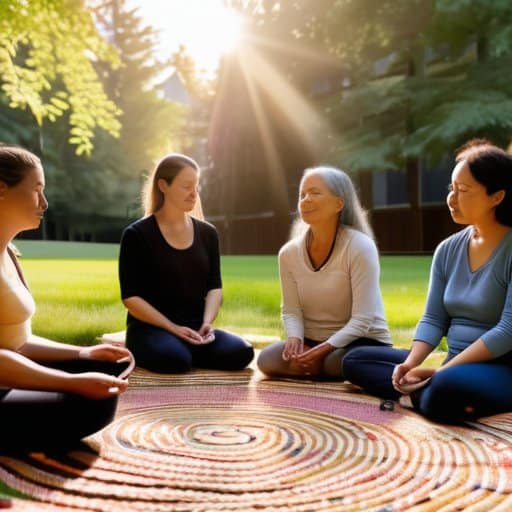
Throughout this piece we’ve untangled the myth that spirituality belongs exclusively to organized faith, showing how anyone can nurture a sense of wonder through non‑religious meditation, intentional breath work, and simple gratitude pauses. We explored the science behind transcendence, noting that moments of awe trigger the same neural pathways that believers label mystical. Community emerged as a catalyst: shared mindfulness circles, neighborhood art projects, and volunteer‑driven rituals prove that belonging fuels inner growth. Finally, we demonstrated that crafting personal rituals—whether lighting a candle at sunset or journaling a daily intention—creates a portable altar for the modern seeker. In short, meaningful everyday practices are the scaffolding of a secular spiritual life.
As you close this page, remember that the invitation isn’t a checklist but a chance to begin the journey of shaping your own inner sanctuary. Whether you steal five minutes for mindful breathing on a commuter train, host a monthly potluck that doubles as a gratitude circle, or simply pause to notice a sunrise, each choice stitches quiet reverence into daily life. The beauty of a secular path is its flexibility: you set the rhythm, choose the symbols, and define the meaning. Light that candle, write that intention, and let the world hear the quiet echo of your newfound spiritual curiosity. Your future self will thank you for daring to see the sacred in the ordinary.
Frequently Asked Questions
How can I develop a personal sense of purpose and connection without relying on religious or spiritual traditions?
Start by clarifying what matters to you—list your values, passions, and moments that make you feel alive. Turn those into small, repeatable habits: a daily walk, a creative project, or volunteering for a cause you care about. Cultivate curiosity by learning something new each week, and nurture relationships through genuine conversations. Reflect regularly—journal, sketch, or simply sit in silence—to notice patterns of joy and flow. Over time, these choices weave a purpose‑driven narrative that feels connected.
What simple, everyday practices can help me experience “spiritual” benefits like peace and awe while staying completely secular?
Try a five‑minute “ground‑check” each morning: sit, notice your breath, and name three things you’re grateful for. Take a short walk without your phone and really listen to the sounds around you—let curiosity replace judgment. End the day with a quick “gratitude pause,” jotting one moment that felt beautiful or kind. These tiny habits train your mind to savor presence, spark awe, and cultivate calm without any religious framing.
Are there community groups or online spaces where secular seekers can share mindfulness and meaning‑focused experiences?
Absolutely—there are plenty of places to connect with fellow secular seekers. Check out online forums like r/SecularMindfulness and the Insight Timer community, where you can join guided meditations and discussion threads without religious framing. Local meetup groups on Meetup.com often host “mindful coffee” gatherings or nature walks focused on presence. Also, look into organizations such as the Secular Buddhist Association or the Humanist Community Center, which run regular workshops and virtual circles for sharing meaning‑focused practices.