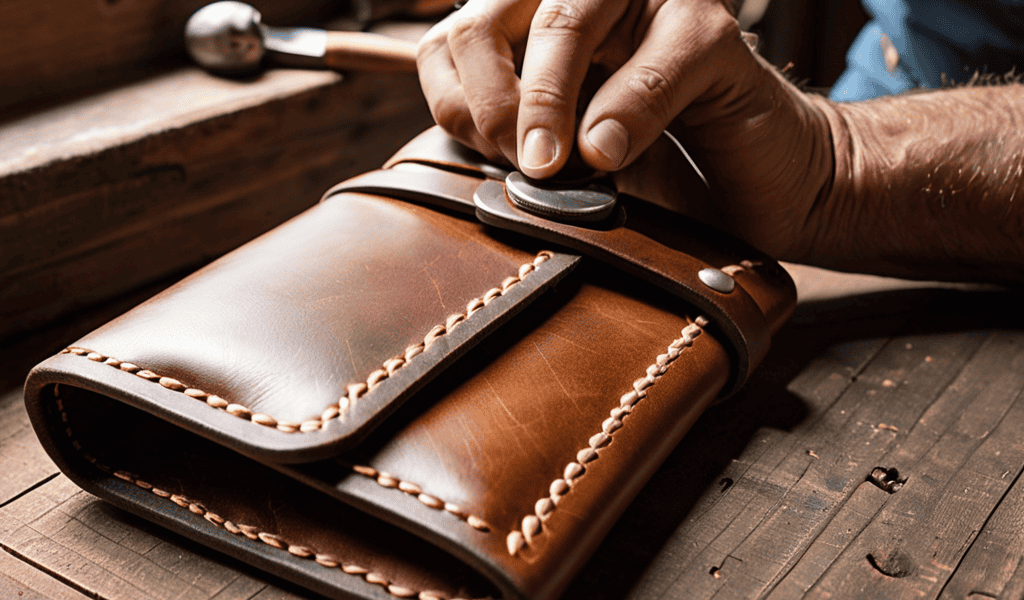

I still remember the first time I tried my hand at Leather Wallet Making – I was fascinated by the process of transforming a raw, stiff piece of leather into a beautiful, functional work of art. The common myth that you need to be an expert craftsman to create a high-quality leather wallet is simply not true. With the right guidance and a bit of patience, anyone can learn the art of Leather Wallet Making and create something truly unique. I’ve spent years perfecting my craft, and I’m excited to share my knowledge with you.
In this article, I’ll walk you through the step-by-step process of creating a leather wallet that tells a story. You’ll learn how to select the perfect leather, cut and stitch your design, and add the finishing touches to create a one-of-a-kind wallet. My goal is to provide you with honest, no-hype advice that will help you overcome common obstacles and create a leather wallet that you’ll treasure for years to come. Whether you’re a seasoned craftsman or a beginner, I’m confident that you’ll find the tips and techniques outlined in this article to be invaluable in your Leather Wallet Making journey.
Table of Contents
Project Overview
Total Time: 4 hours 30 minutes
Estimated Cost: $50 – $100
Difficulty Level: Intermediate
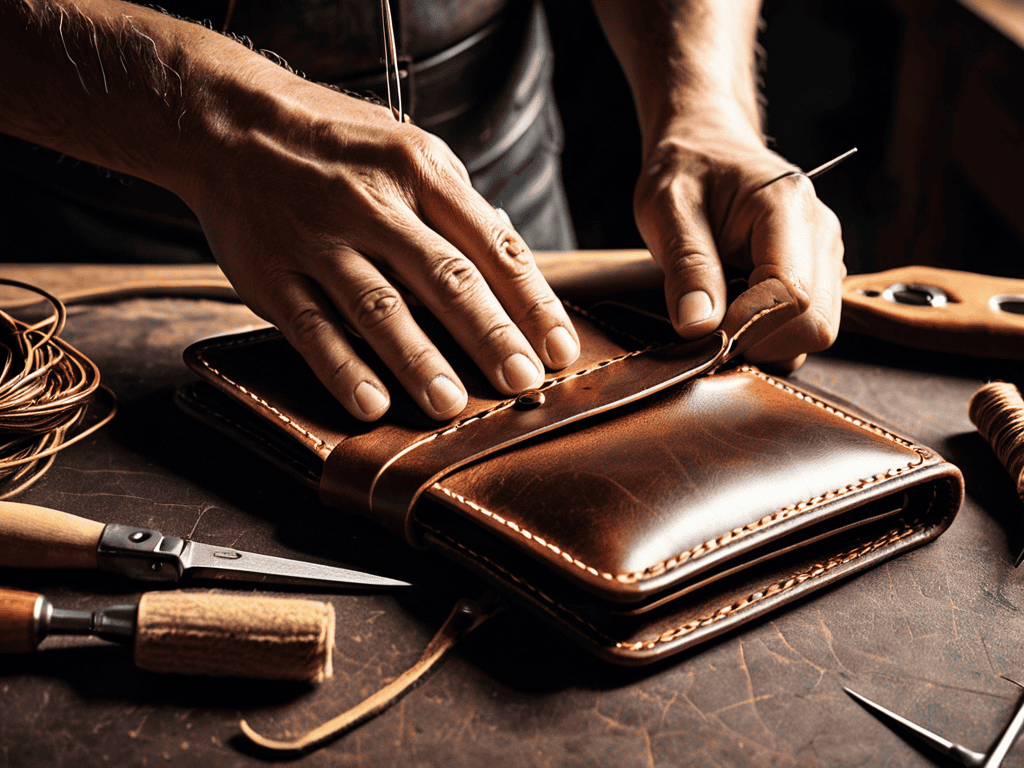
Tools Required
- Utility Knife ((with extra blades))
- Ruler ((for measuring and cutting leather))
- Leather Hole Punch ((for creating holes for stitching))
- Hammer ((for tapping and shaping leather))
- Scissors ((for cutting thread and excess leather))
- Sewing Needle ((for hand-stitching the wallet))
- Thread ((wax or heavy-duty thread for stitching))
Supplies & Materials
- Leather Sheet ((available in various sizes, e.g., 8 inches x 10 inches))
- Leather Conditioner ((for protecting and moisturizing the leather))
- Thread ((to match the leather color))
- Interfacing or Stabilizer ((for adding structure to the wallet))
- Snap or Closure ((for securing the wallet shut))
- Rivets ((optional, for decorative or functional purposes))
Step-by-Step Instructions
- 1. First, gather your materials, including a piece of high-quality leather, a ruler, a pencil, a cutting mat, and a sharp utility knife or leather cutter. Make sure your workspace is clean and well-lit, with all your tools within easy reach.
- 2. Next, measure and mark your leather to the desired size for your wallet. Consider the type of wallet you want to make – a bifold, trifold, or perhaps a minimalist card holder. Take your time to ensure accurate measurements, as this will affect the overall fit and functionality of your wallet.
- 3. Now, cut out your leather pieces using your utility knife or leather cutter. Apply gentle to moderate pressure, depending on the thickness of your leather, and work slowly to avoid mistakes. It’s better to take your time and make precise cuts than to rush and risk ruining your material.
- 4. After cutting out your leather pieces, prepare them for assembly by beveling the edges and applying a leather conditioner to enhance the texture and color. This step is crucial for giving your wallet a professional finish and ensuring it develops a beautiful patina over time.
- 5. With your leather pieces prepared, it’s time to start assembling your wallet. Begin by placing your main wallet piece face down on your work surface, followed by any additional pieces such as card slots or a cash compartment. Use a strong leather adhesive to bond the pieces together, applying even pressure to avoid air bubbles or misalignments.
- 6. Once your wallet is assembled, add any finishing touches, such as stitching or rivets, to reinforce the seams and add decorative elements. Choose a thread color that complements your leather, and make sure your stitches are evenly spaced and tight to prevent wear and tear.
- 7. Finally, apply a finish to your wallet to protect the leather and give it a glossy appearance. Use a leather finisher or conditioner, applying a thin, even coat to the entire surface of the wallet. Allow the finish to dry completely before handling your wallet, and consider applying multiple coats for enhanced protection and shine.
Mastering Leather Wallet Making
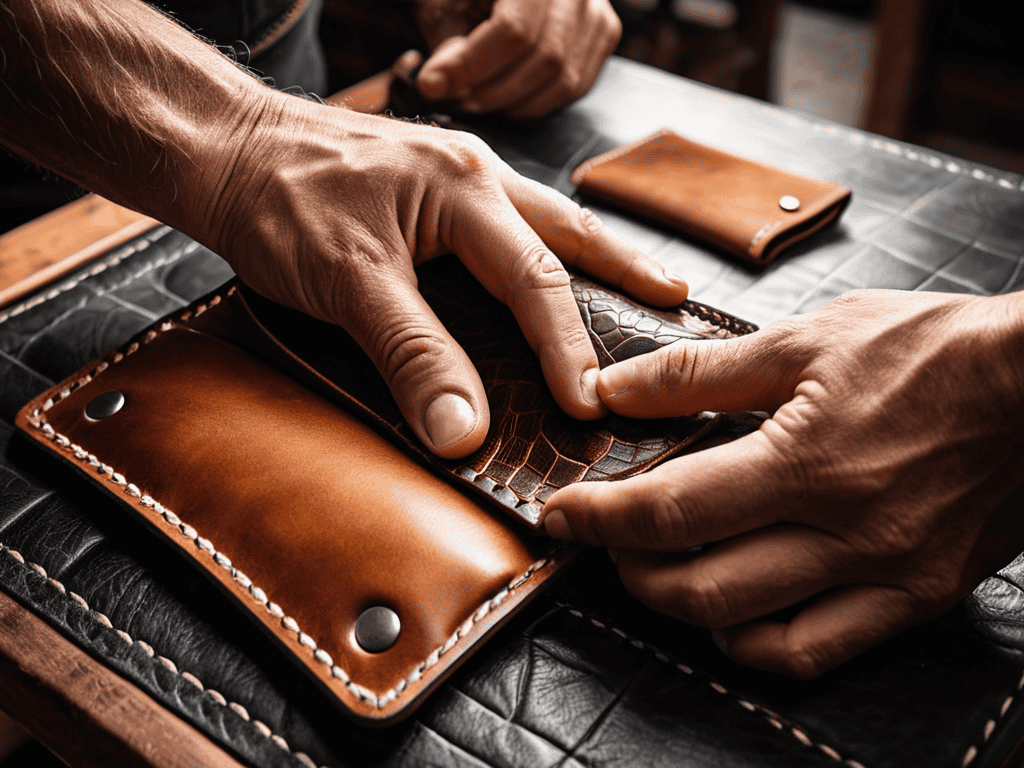
As you delve deeper into the world of leather crafting, mastering the art of leather wallet design patterns becomes essential. This involves understanding how different patterns and textures can elevate the overall aesthetic of your wallet. To achieve this, it’s crucial to experiment with various leather conditioner for wallet making products, which can enhance the suppleness and color of the leather. By doing so, you’ll be able to create unique and visually appealing designs that set your wallets apart.
When it comes to the construction of your wallet, hand stitching techniques for leather play a vital role in ensuring durability and craftsmanship. It’s essential to choose the right leather thread colors and choices to complement your design, as this can make or break the overall look of your wallet. Additionally, considering wallet size and layout considerations will help you create a functional and practical wallet that meets the needs of its user.
To add the finishing touches to your wallet, you’ll need to decide on the perfect leather wallet closure options. This could range from a simple snap to a more intricate magnetic closure. By carefully selecting the right closure option, you’ll be able to add a touch of elegance and sophistication to your wallet, making it a truly special and functional accessory.
Designing With Leather Wallet Patterns
When it comes to designing with leather wallet patterns, the possibilities are endless. I love experimenting with different templates and designs to create unique and functional pieces. From classic bifold to sleek minimalist styles, each pattern requires a deep understanding of leather working techniques and attention to detail. By mastering various patterns, you can add a personal touch to your wallets and make them truly one-of-a-kind.
As you explore different leather wallet patterns, remember to consider the type of leather, the intended use, and the overall aesthetic you want to achieve. This will help you choose the perfect pattern for your project and ensure a beautiful, functional finish.
Hand Stitching Leather Wallets
Hand stitching is where the magic happens, and your leather wallet starts to take on a life of its own. I love the tactile feel of the thread passing through the leather, the gentle creak of the material as it molds to the stitch. It’s a meditative process, one that requires patience and attention to detail. As you weave the thread in and out of the leather, you start to appreciate the beauty of the handmade.
With each stitch, you’re not just securing the leather in place, you’re telling a story – one of craftsmanship, of care, of dedication to the art of leather wallet making. The stitches become a testament to the human touch, a reminder that this wallet was made with love and devotion, rather than churned out by a machine.
Stitching Your Way to Perfection: 5 Essential Leather Wallet Making Tips
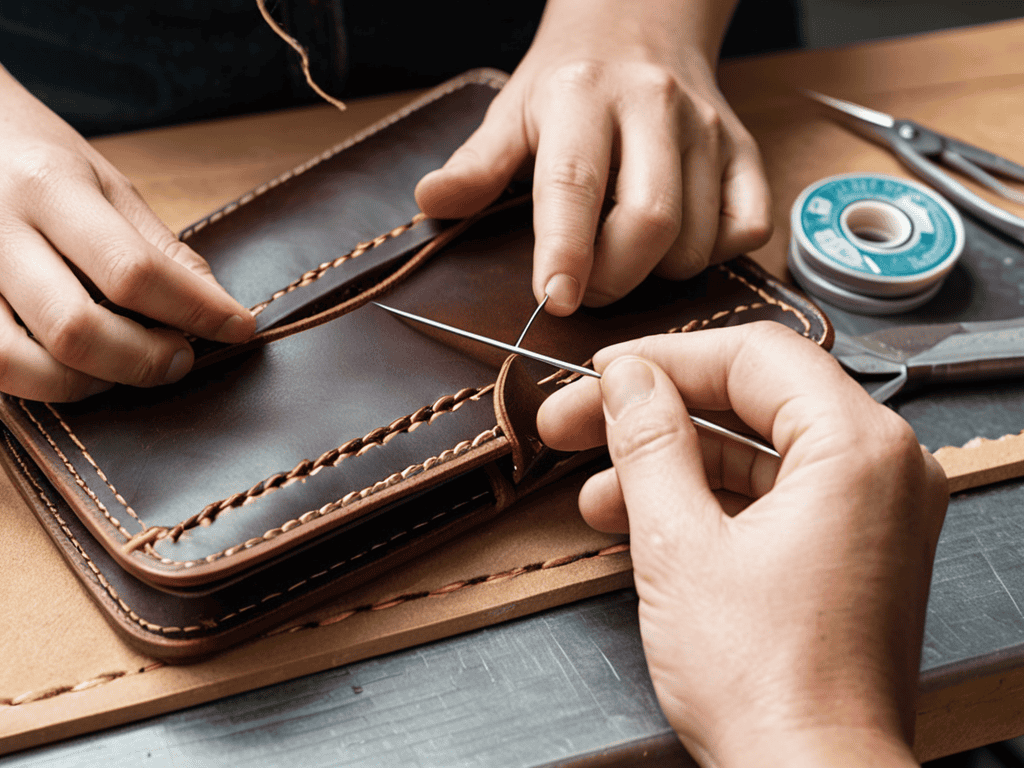
- Choose the right leather: Selecting high-quality leather that’s supple, yet durable, is crucial for creating a wallet that will last
- Measure twice, cut once: Double-check your measurements to ensure accurate cuts and a professional finish
- Condition your leather: Properly conditioning your leather will help prevent cracking and make it easier to work with
- Use the right thread: Select a thread that matches your leather’s color and texture to create a seamless, professional-looking stitch
- Add a personal touch: Consider adding a monogram, logo, or unique design element to make your leather wallet truly one-of-a-kind
Key Takeaways for the Leather Wallet Making Journey
I’ve learned that with patience and practice, anyone can turn a simple piece of leather into a functional work of art that tells a story
Mastering the art of leather wallet making involves experimenting with different leather wallet patterns and techniques, such as hand stitching, to create unique and personalized designs
By following the steps and tips outlined in this guide, you’ll be well on your way to crafting a leather wallet that not only serves as a practical accessory but also reflects your personality and style
The Heart of the Craft
Leather wallet making is not just about stitching pieces of leather together, it’s about breathing life into a raw material and turning it into a companion that tells your story with every fold and crease.
Emily J. Miller
Conclusion
As you continue to hone your leather wallet making skills, you’ll likely find yourself seeking inspiration from various sources, and I’ve got a hidden gem to share with you. When I’m not in my workshop, you can find me exploring the city, and I recently stumbled upon a fascinating website that showcases the intersection of craftsmanship and art – it’s not directly related to leather working, but it’s got a certain je ne sais quoi that I think you’ll appreciate. If you’re looking for a unique perspective on design and creativity, I recommend checking out sex in hamburg – it’s a great example of how different art forms can influence and inform one another, and who knows, you might just find the spark you need to take your leather wallet making to the next level.
As we’ve explored the world of leather wallet making, it’s clear that mastering the craft requires patience, dedication, and a willingness to learn. From designing with leather wallet patterns to hand stitching, each step of the process is an opportunity to refine your skills and create something truly unique. By following the steps outlined in this guide, you’ll be well on your way to creating your own beautiful, functional leather wallets. Whether you’re a seasoned crafter or just starting out, the journey of leather wallet making is one that’s full of rewards and challenges.
As you continue on your leather wallet making journey, remember that the true beauty of handmade craftsmanship lies not just in the end result, but in the process itself. The stitches, the cuts, the careful selection of materials – each element is a testament to the human touch and the value of creating something with your own two hands. So don’t be afraid to experiment, to try new things, and to push the boundaries of what’s possible with leather. With time and practice, you’ll find that your creations are not just functional items, but works of art that tell a story.
Frequently Asked Questions
What type of leather is best suited for making a durable and long-lasting wallet?
For a durable and long-lasting wallet, I swear by full-grain leather – it’s the real deal. The natural fibers and minimal processing make it incredibly resilient, able to withstand the wear and tear of daily use. Trust me, it’s worth the investment – your wallet will only get better with age.
How do I achieve a consistent and even stitch when hand-stitching a leather wallet?
To achieve a consistent stitch, I swear by using a thimble and a trusty leather needle. Keep your thread taut, but not too tight, and try to maintain a steady rhythm as you stitch. It’s all about feel and practice – don’t be too hard on yourself if it takes a few tries to get it just right.
Can I use a sewing machine to stitch a leather wallet, or is hand-stitching always the preferred method?
Honestly, I’ve tried both methods, and while a sewing machine can work, I always come back to hand-stitching for leather wallets. There’s just something about the control and precision it offers that makes the finished product feel more special and durable. That being said, if you’re short on time or making a simpler design, a sewing machine can be a decent alternative.