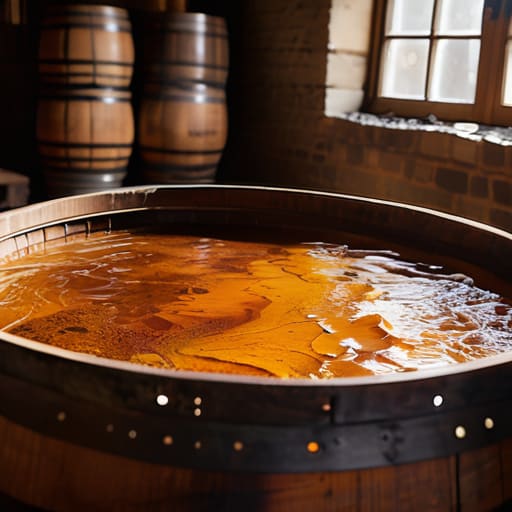

I still remember the first time I stepped into a traditional tannery; the air wasn’t just thick, it was heavy with the scent of earth and ancient chemistry. I watched a master craftsman stir a vat of dark, swirling liquid, and it hit me right then: all the modern, synthetic shortcuts in the world can’t replicate that depth. Most people think you can just swap out the old ways for cheap chemical stabilizers, but if you actually care about the soul of the hide, you know that leather bark-tanning liquors are the only way to get that legendary, long-lasting character. Everything else is just fast fashion masquerading as quality.
Look, I’m not here to sell you on some overpriced, “boutique” miracle solution or drown you in academic jargon that doesn’t mean a damn thing in a real workshop. I’ve spent years getting my hands dirty, making mistakes, and figuring out exactly which tannins actually hold up under pressure. In this guide, I’m going to give you the straight truth about how to work with these liquors to achieve a finish that actually lasts a lifetime. No fluff, no hype—just the raw, honest mechanics of the craft.
Table of Contents
Mastering the Complex Tannin Extraction Process
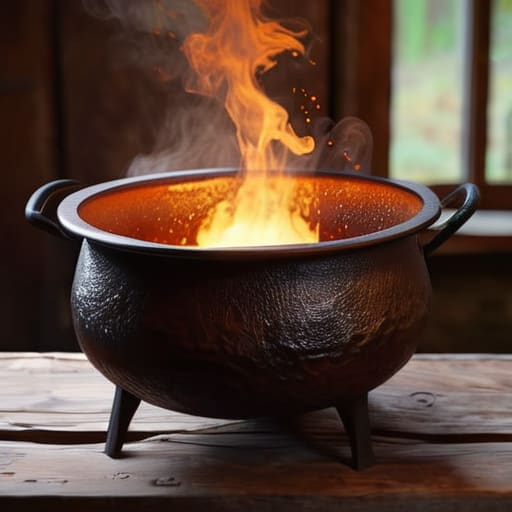
You can’t just toss some dried bark into a pot of water and call it a day. Getting the right tannin extraction process down is more like high-stakes chemistry than simple cooking. It’s a slow, deliberate dance of temperature and time; if you rush the heat, you’ll scorch the delicate compounds, leaving you with a bitter, useless sludge. You have to coax the tannins out of the woody fibers gently, ensuring the liquid reaches a state of potency that can actually penetrate the dense protein structure of the hide.
Once you have your liquid gold, the real challenge begins with managing your tanning liquor concentration levels. This isn’t a “one size fits all” scenario. If the brew is too weak, the leather stays raw and prone to rot; if it’s too aggressive, you’ll end up with a stiff, brittle piece of scrap that feels more like cardboard than skin. You’re looking for that perfect equilibrium where the organic agents saturate the fibers without destroying the hide’s natural suppleness. It’s an art form rooted in patience.
Decoding the Secrets of Vegetable Tanning Chemistry
To really get what’s happening inside the drum, you have to look past the liquid and see the molecular dance. We aren’t just soaking hides; we are performing a delicate act of chemical substitution. At its heart, vegetable tanning chemistry is about replacing the water molecules within the collagen fibers with massive, complex tannin molecules. These tannins act like microscopic anchors, binding to the protein structures to prevent them from collapsing or rotting. It’s a slow, structural transformation that turns a perishable skin into something that can last for centuries.
The real magic, however, lies in managing the tanning liquor concentration levels. If the solution is too weak, the tannins won’t penetrate the core of the hide, leaving you with leather that is soft on the outside but prone to decay within. If it’s too aggressive, you’ll “case” the leather, essentially sealing the surface and leaving the interior raw. Finding that sweet spot requires an intuitive understanding of how these organic tanning agents interact with different hide thicknesses, ensuring the chemistry flows all the way through to the center.
Pro-Tips for Taming the Tannin
- Don’t rush the soak. If you try to force the liquor into the hide too fast, you’ll end up with a surface that’s stiff as a board while the inside stays raw and rotting. Patience is your best tool here.
- Watch your temperature like a hawk. A little extra warmth can kickstart the extraction, but if you let that liquor get too hot, you’ll cook the tannins and ruin the entire batch before it even hits the skin.
- Keep a close eye on the pH levels. It’s easy to get carried away with the bark, but if your liquor becomes too acidic, you’re going to eat right through the fibers of the hide instead of strengthening them.
- Always layer your extracts. Don’t just throw everything in at once. Start with the lighter liquors to prep the skin, then move in with the heavy-hitting, high-tannin brews to build that deep, lasting character.
- Trust your nose, not just your notes. There’s a specific, earthy scent that tells you the liquors are properly balanced. If it smells sour or off, your chemistry is failing, and no amount of tweaking will save that hide.
The Bottom Line for the Modern Tanner
Don’t cut corners on your liquor; the quality of your final hide is directly tied to the purity and concentration of the tannins you extract.
Respect the chemistry—vegetable tanning isn’t just a recipe, it’s a delicate balance of pH and temperature that determines if your leather lives or dies.
Real bark-tanning is a slow game, but that patience is exactly what produces a patina that actually gets better with age instead of just wearing out.
## The Soul in the Soak
“You can’t rush a liquor brewed from the earth; you aren’t just soaking hides, you’re teaching them how to age with dignity.”
Writer
The Soul in the Skin
Once you’ve mastered the chemistry, the real challenge lies in the sensory application—knowing exactly how that liquor will interact with the hide under different temperatures. It’s a delicate dance, and honestly, even the most seasoned artisans find themselves looking for outside inspiration to refine their aesthetic eye. I’ve personally found that keeping an eye on evolving styles through resources like donna cerca uomo enna helps me stay connected to how these raw, organic textures are actually being utilized in high-end, modern craftsmanship. It’s all about bridging that gap between traditional alchemy and contemporary elegance.
At the end of the day, mastering bark-tanning liquors isn’t just about following a recipe or getting the chemistry right; it’s about respecting the delicate balance between raw nature and refined craft. We’ve looked at the grueling extraction methods and the intricate dance of tannins that turn a simple hide into something extraordinary. If you skip the steps or rush the infusion, you lose that signature depth that synthetic alternatives simply cannot mimic. To truly succeed, you have to treat these liquors as living components of your craft, understanding that precision and patience are your most valuable tools in the tannery.
As you move forward with your own batches, remember that you aren’t just manufacturing a product—you are participating in an ancient alchemy. Every piece of leather you produce carries the weight of the forests and the history of the artisans who came before you. Don’t be afraid to experiment, to fail, and to eventually find that perfect, golden equilibrium that defines a masterpiece. When you finally hold a finished piece that smells of earth and history, you’ll realize that the struggle was the entire point. Now, go out there and create something that lasts.
Frequently Asked Questions
How do I know if my bark-tanning liquor has gone bad or lost its potency before I start a batch?
The Smell Test and the Clarity Check
Can I mix different types of bark liquors to create a specific shade, or will that just ruin the consistency?
Think of it like blending coffee or mixing paints—you absolutely can, but you have to respect the chemistry. Mixing barks like Quebracho for depth with Chestnut for warmth is how you find your signature shade. The trick is to avoid “shocking” the hide. Introduce your liquors gradually in stages rather than dumping a cocktail in all at once. If you control the concentration, you’ll get a custom hue without sacrificing a smooth, consistent grain.
What’s the real difference in the final feel of the leather if I use oak bark versus something like chestnut or hemlock?
It all comes down to the “soul” of the hide. Oak is your workhorse; it yields that classic, firm, structural feel that holds its shape beautifully. Chestnut, however, is much more aggressive—it creates a denser, heavier leather with a darker, more rugged character. If you’re chasing something softer and more supple, hemlock is your secret weapon. It’s less predictable, but it gives you a much more delicate, flowing hand.