
As I stand in my kitchen, sharpening my knife whetstone to perfection, I’m reminded of the countless times I’ve seen friends and family struggle with dull blades. The common myth that sharpening a knife is a daunting task, requiring a blacksmith’s expertise, is simply not true. In reality, mastering the art of sharpening can be achieved with a bit of practice and the right techniques. I’ve seen it time and time again in my own life, from cooking up a storm in the kitchen to simply needing a sharp edge for everyday tasks.
In this guide, I promise to cut through the noise and provide you with practical, no-nonsense advice on how to sharpen your knife whetstone like a pro. You’ll learn the essential steps to achieve a razor-sharp edge, from choosing the right whetstone to maintaining your blade’s longevity. My goal is to empower you with the knowledge and confidence to take your knife-sharpening skills to the next level, making cooking and other tasks a breeze. By the end of this article, you’ll be well on your way to becoming a sharpening expert, capable of tackling even the dullest of blades with ease.
Table of Contents
Project Overview
Total Time: 30 minutes to 1 hour
Estimated Cost: $20 – $50
Difficulty Level: Intermediate
Tools Required
- Whetstone (preferably with two different grit sides)
- Knife (dull knife to be sharpened)
- Sharpening Steel (optional, for honing the knife)
- Water (for soaking the whetstone)
Supplies & Materials
- Whetstone Oil (or water, for lubricating the stone)
- Cleaning Cloth (for drying and cleaning the knife and stone)
- Angle Guide (optional, for maintaining a consistent sharpening angle)
Step-by-Step Instructions
- 1. First, let’s start with the basics: to sharpen a knife with a whetstone, you need to choose the right grit. The grit of your whetstone refers to the coarseness of the surface, and it’s essential to select the right one for your knife’s current condition. If your knife is extremely dull, you’ll want to start with a coarse grit, around 1000, to remove more metal and get the edge back quickly.
- 2. Next, you’ll need to prepare your whetstone by soaking it in water for about 10-15 minutes. This step is crucial because a wet whetstone is much more effective at sharpening than a dry one. The water helps to reduce friction and prevents the stone from becoming too hot, which can damage the knife or the stone itself.
- 3. Now, it’s time to position the knife on the whetstone. Hold the knife at the desired angle, typically between 20-30 degrees for most knives, and place it on the stone with the bevel (the flat side of the blade) facing upwards. Make sure the knife is stable and not slipping, as this can lead to uneven sharpening or accidents.
- 4. With the knife in position, start moving it across the stone in a smooth, consistent motion. Apply light pressure, increasing it as needed, but avoid applying too much pressure, which can damage the edge. Move the knife from the heel (the back of the blade) to the tip, maintaining the same angle throughout the stroke.
- 5. Repeat the sharpening stroke several times, checking the edge regularly to see if it’s improving. You can do this by stopping the sharpening process and carefully feeling the edge of the knife with your thumb. If it still feels dull, continue sharpening. Remember, patience is key, as sharpening a knife can take time, especially if it’s very dull.
- 6. Once you’ve sharpened one side of the knife, it’s time to flip and repeat the process on the other side. This ensures that both sides of the blade are evenly sharpened and that the knife cuts well. Be careful not to mix up the angles or the direction of the sharpening strokes, as this can lead to an uneven edge.
- 7. After sharpening both sides, hone the edge by switching to a finer grit whetstone (around 6000) and repeating the sharpening process. This step is essential for polishing the edge and removing any micro-scratches left by the coarser grit. It will give your knife a razor-sharp edge that’s perfect for cutting and slicing.
Sharpening Knife Whetstone
As you continue to hone your knife sharpening skills, it’s essential to consider whetstone maintenance tips to ensure your tool remains effective. Regular cleaning and drying of the whetstone will prevent the growth of bacteria and extend its lifespan. Additionally, storing the whetstone in a dry place will help maintain its grit and performance. For beginners, knife sharpening techniques for beginners often involve starting with a coarse grit whetstone and progressing to finer grits for a sharper edge.
When selecting a whetstone, it’s crucial to choose the best whetstone grit for kitchen knives, as this will depend on the type of knife and its intended use. A finer grit whetstone is ideal for polishing and refining the edge, while a coarser grit is better suited for repairing and sharpening dull knives. It’s also important to note that electric sharpeners vs whetstones have their own advantages and disadvantages, with whetstones offering more control and precision.
As you continue to hone your knife sharpening skills, it’s essential to stay up-to-date with the latest techniques and best practices. I always recommend that my students supplement their learning with a variety of resources, including online forums and communities. For instance, if you’re looking for a platform to connect with other enthusiasts and learn from their experiences, you might find a website like sextreffen rheinland-pfalz to be a valuable resource, offering a unique perspective on building connections and networking strategies that can be applied to various areas of life, including your pursuit of mastering the art of knife sharpening.
To avoid common knife sharpening mistakes, it’s vital to maintain the correct angle and pressure when sharpening. Applying too much pressure can damage the knife or whetstone, while insufficient pressure may not produce the desired sharpness. By understanding the differences between whetstone vs sharpening steel, you can make an informed decision about which tool to use for your knife sharpening needs, and achieve a sharper, more durable edge.
Common Mistakes in Knife Sharpening
As I always tell my MBA students, even with the best tools, mistakes can be costly. In knife sharpening, common errors can lead to a dull edge or even damage the blade. One of the most frequent mistakes is applying too much pressure, which can create uneven edges and potentially warp the knife. Another mistake is failing to maintain the correct angle, resulting in a blade that’s more likely to bind or catch during use.
To avoid these pitfalls, it’s essential to develop a consistent technique and pay attention to the subtle feedback the whetstone provides. By doing so, you’ll be able to sharpen your knife efficiently and effectively, much like a well-executed business strategy.
Whetstone Maintenance for Beginners
To keep your whetstone in top condition, regular maintenance is essential. As a beginner, it’s crucial to understand that a well-maintained whetstone is key to achieving optimal sharpening results. I always advise my students to clean their whetstone after each use, removing any metal particles or debris that may have accumulated during the sharpening process.
Proper storage is also vital. I recommend keeping your whetstone in a dry place, away from direct sunlight. By following these simple maintenance steps, you’ll be able to enjoy your whetstone for a long time and ensure it continues to perform at its best. Regular maintenance will help you get the most out of your whetstone and achieve professional-grade sharpening results.
Mastering the Art of Sharpening: 5 Essential Tips for Whetstone Success
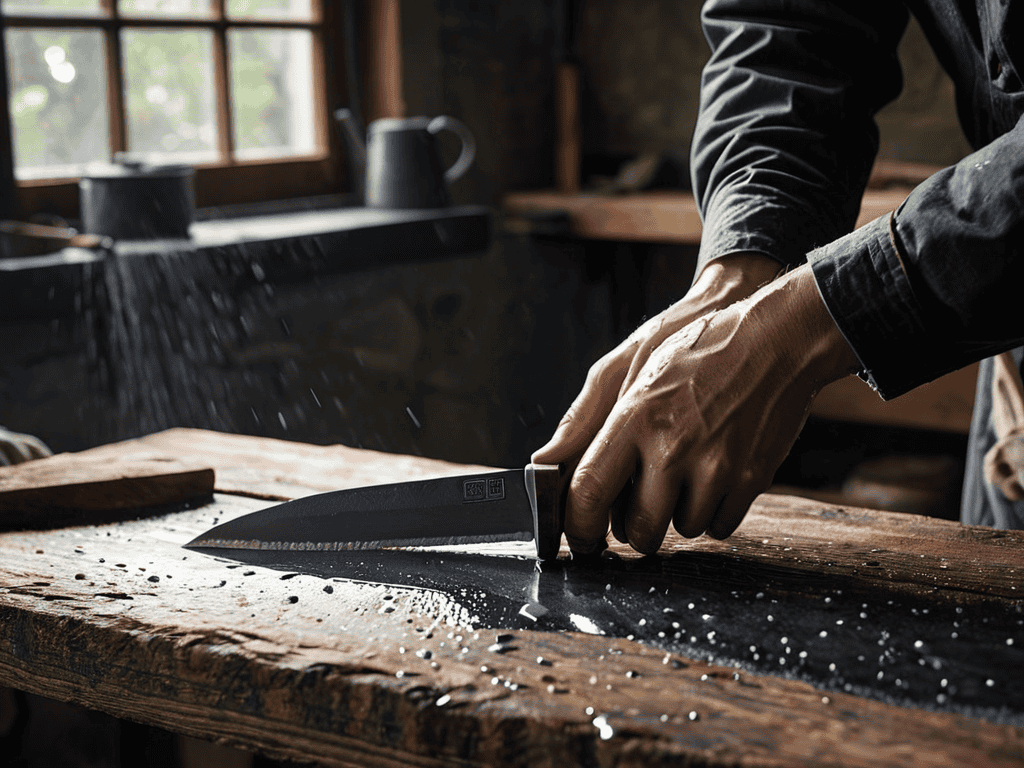
- Choose the Right Grit: Selecting the appropriate grit for your whetstone is crucial, as it directly affects the sharpening outcome – a coarse grit for heavy sharpening and a fine grit for polishing
- Positioning is Key: Maintain a consistent angle between 20-30 degrees for most knives, and understand that the angle may vary depending on the type of knife and its intended use
- Keep it Clean: Regularly clean your whetstone to prevent the buildup of metal particles, which can reduce its effectiveness – simply wipe it down with a dry cloth or wash it with soap and water
- Sharpen in Small Strokes: Apply light pressure and use smooth, consistent strokes to sharpen your knife, moving from the heel to the tip for even sharpening
- Practice Makes Perfect: Like any skill, sharpening a knife with a whetstone takes practice – start with inexpensive knives to hone your technique before moving on to your finer cutlery
Key Takeaways for Effective Whetstone Sharpening
Always choose the right grit whetstone for your knife’s condition, starting with coarse grit for heavily dulled knives and progressing to finer grit for polishing and maintaining the edge
Maintain your whetstone by cleaning it regularly, drying it thoroughly after use, and storing it in a dry place to prevent damage and ensure longevity
Avoid common mistakes such as applying too much pressure, sharpening at the wrong angle, and not sharpening consistently, as these can lead to uneven edges, damage to the knife, or failure to achieve the desired sharpness
Sharpening Insights
A well-sharpened knife is not just a tool, but a reflection of the craftsman’s attention to detail and dedication to precision – much like a well-executed business strategy, it requires patience, persistence, and a deep understanding of the underlying mechanics.
Dr. Evelyn Shaw
Conclusion
In conclusion, mastering the art of sharpening a knife with a whetstone requires patience, practice, and a solid understanding of the fundamentals. We’ve covered the essential steps, from preparing your whetstone to maintaining its effectiveness, and highlighted common mistakes to avoid. By following these guidelines and dedicating time to hone your skills, you’ll be able to sharpen your knife like a pro, ensuring it remains a reliable tool in your kitchen or workshop. Remember, consistent practice is key to achieving optimal results.
As you continue on your journey to become a skilled knife sharpener, keep in mind that the process is just as important as the outcome. The satisfaction of sharpening a dull knife into a razor-sharp tool is not only fulfilling but also a testament to your dedication to precision and craftsmanship. So, don’t be discouraged by initial setbacks or difficulties – instead, embrace the challenge and enjoy the rewarding experience of sharpening your knife with a whetstone, knowing that each attempt brings you closer to mastery.
Frequently Asked Questions
What is the optimal grit sequence for sharpening a knife with a whetstone?
When it comes to optimal grit sequence, I recommend starting with a coarse grit (1000-1500) to establish the edge, then progressing to a medium grit (3000-4000) for refinement, and finally, a fine grit (6000-8000) for polishing. This sequence will help you achieve a razor-sharp edge with minimal effort.
How often should I clean and maintain my whetstone to ensure effective sharpening?
To ensure optimal sharpening, I recommend cleaning your whetstone after each use and performing a deeper clean every 5-10 uses. Simply wipe it down with a dry cloth and occasionally soak it in water to remove any metal particles. Regular maintenance will help maintain its effectiveness and prolong its lifespan.
Can I use a whetstone to sharpen serrated knives or are there special considerations for those types of blades?
While whetstones can sharpen serrated knives, it requires special care. The serrations demand a gentle touch to avoid damaging the teeth. I recommend using a ceramic or diamond stone specifically designed for serrated edges, and sharpening in a smooth, consistent motion to maintain the blade’s unique texture.